Whether you just started a chemistry class or you’re writing a novel about a mad scientist, you need to know some lab equipment names stat! Our list will help you understand a lab’s makings, from personal protective equipment (PPE) to the tools you will be using.
Related:
Microscope

Tiny specimens like cells and microorganisms (bacteria and protozoa) are too small for the naked eye to see. But with the help of a microscope, you can finally observe and even study them in detail!
Centrifuge

If you have ever given a blood sample, chances are that the tube has entered a centrifuge. This lab equipment works by using centrifugal force to spin at high speeds, separating the components or particles of a mixture.
Test Tubes

Any lab wouldn’t be complete without test tubes! These are small cylindrical containers that can hold a variety of substances, from chemicals to bodily fluids. Test tubes with curved bottoms often rest in a test tube rack.
Bunsen Burner

If you need to heat substances, sterilize equipment, or create a chemical reaction, you’ll need a Bunsen burner. This lab equipment looks like a metal candlestick with a valve on one side so you can control the flame output.
Pipettes / Pipet

There are many different kinds of pipettes, but they all have the same function—to move precise amounts of liquid from one place to the next. So why can’t you use a measuring glass? Pipettes work with tiny amounts of liquid.
Safety Goggles

Chemical splashes, harmful gas, and broken glassware. Accidents can still happen in a controlled or supervised laboratory! So, don’t forget to wear personal protective equipment (PPE), including impact-resistant safety goggles.
Mortar and Pestle
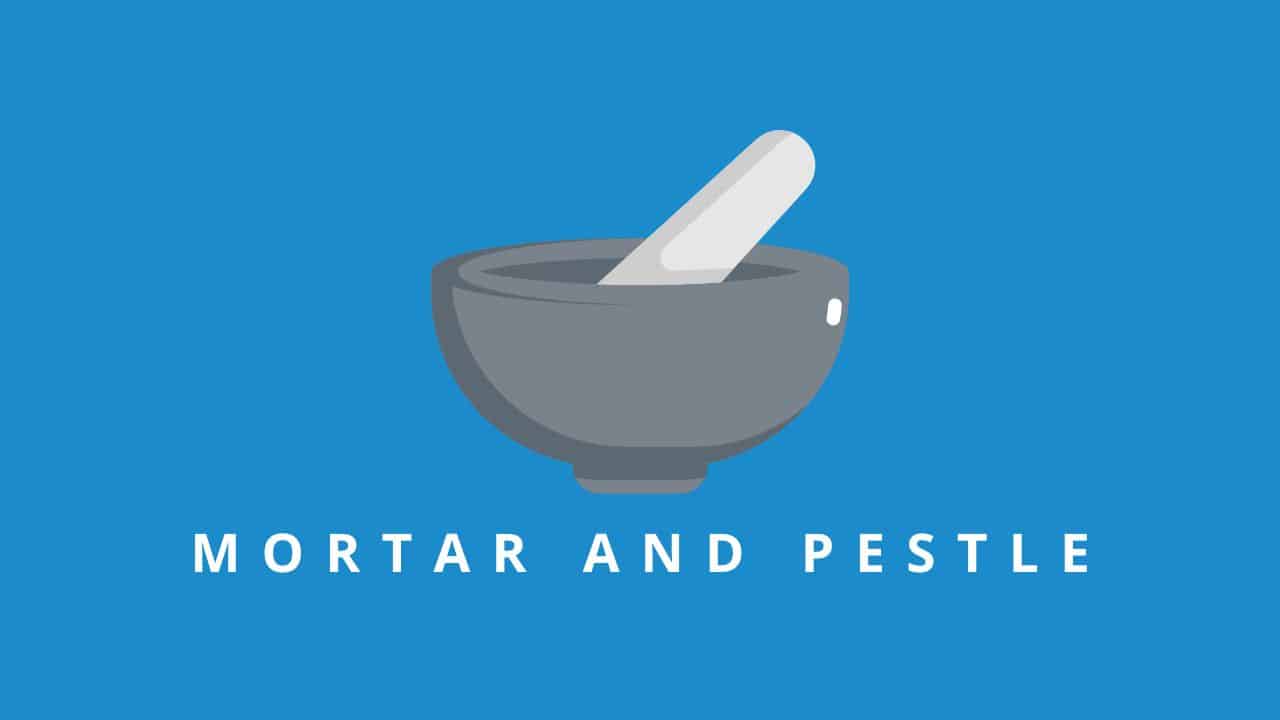
If you love to cook, then you may have already used one of these! Mortar and pestles consist of a small bowl (the mortar) and a cylindrical grinder (the pestle) that you use by hand to crush ingredients.
Gloves

Another personal protective equipment that you shouldn’t skip every time you step in the laboratory is gloves. Gloves save you from chemical burns, hot objects, and even bodily substances. There is a wide range of gloves used, from single-use latex to reusable thermal gloves.
Litmus Paper

If you need to know whether a solution is acidic or basic, then litmus paper is your tool of choice. These tiny strips change color based on the pH of your solution. In general, litmus paper will turn red if acidic and blue if basic. However, they usually come with a handy color tool that can give you a more accurate measurement based on the shade of either color.
Evaporating Dish

These dishes help scientists speed up evaporation. They are small, shallow, and ceramic, perfect for heating up to speed up the evaporation process.
Graduated Cylinder

No, this cylinder didn’t make it through college, it just is a highly specialized measuring cup. As the name suggests, it is cylindrical and comes in a range of sizes. What makes it special are the marks on its side that can help with precise liquid measurements.
Burettes / Buret
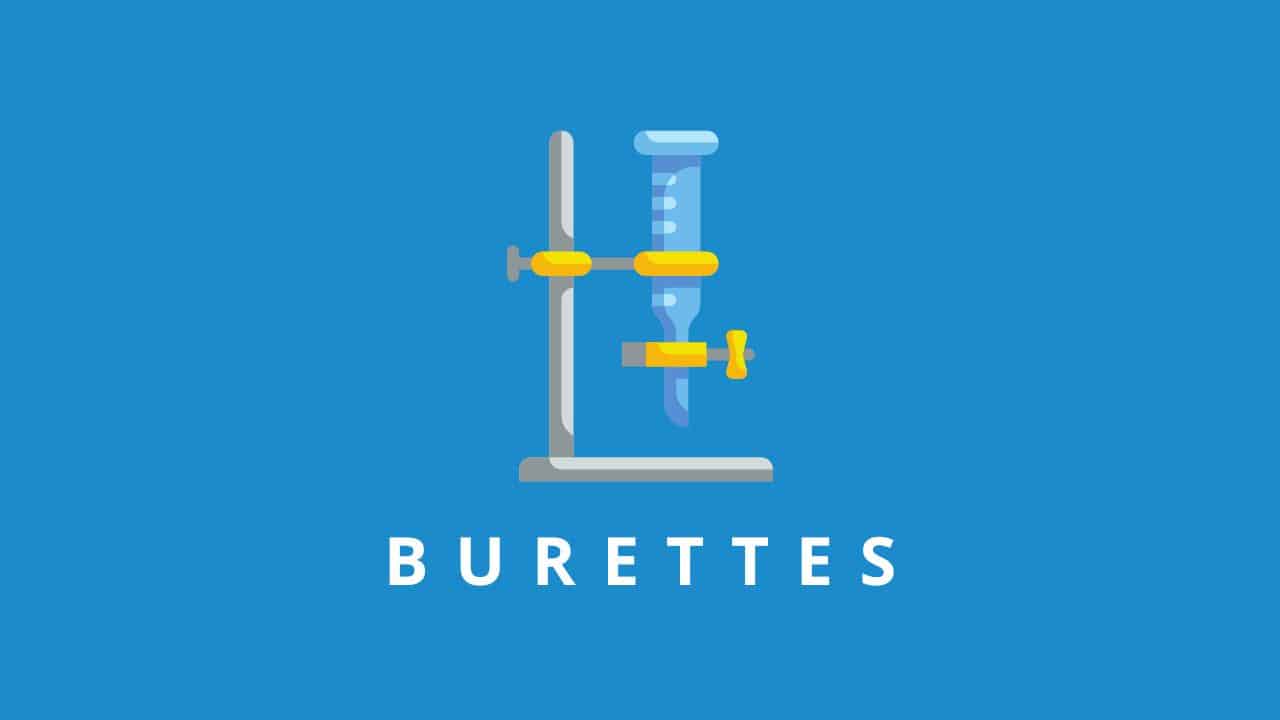
Burettes are another measuring device. However, they don’t just measure liquid volume but gas as well! A burette is a small glass tube usually used in conjunction with a burette clamp. If you have ever seen a small tube dripping into a test tub on your favorite lab show, then you have seen a burette and burette clamp in action.
List of Laboratory Equipment Names
- Crucibles
- Lab coats
- Glassware
- Glass stoppers
- Analytical balances
- Slide
- Erlenmeyer flask
- Florence flasks
- Beakers
- Volumetric flask
- Test Tubes
- Rod
- Clamp
- Ring stand
- Dropper
- Filter Paper
- Spatulas
- Bunsen burner
- Pipettes
- Microscope
- Petri dishes
- Centrifuge
- Mortar and pestle
- Fume hood
- Thermometer
- Hot plate
- Reagent bottles
- Safety goggles
- Tongs
- pH meter
- Wash bottle
- Stirring rod
- Vacuum flask
- Sieve
- Desiccator
- Autoclave
- Water bath
- Cryostat
- Magnetic stirrer
- Syringe
- Calibration weights
- Forceps
- Burette
- Test tube rack
- Analytical scale
- Sample vials
- Microcentrifuge tubes
- Lab timer
- Safety cabinet
- Glass rod
- Funnel
- Liquid nitrogen dewar
- Hot air oven
- Gel electrophoresis apparatus
- Reflux condenser
- Incubator
- Spectrophotometer