Whether you are new to horseback riding, would like to have a career as a stablehand, or are simply a certified hippophile, getting familiar with words related to horses can help you understand these gentle giants even more.
Related:
Stallion
When you hear the word “stallion,” people are referring to an adult, uncastrated male horse. They are frequently used in breeding programs, either to maintain a bloodline or to pass desirable traits (temperament, skills, or even size) to future generations. This is why many farms or stables carefully select a stallion for their mare.
Mare
Speaking of the word “mare,” it refers to an adult female horse. Mares have an important place in both the equestrian and equine worlds. Aside from producing foals, mares are great companions for ranch work, trail riding, and even racing. Plus, in a wild horse herd, the mare often is the alpha and helps lead the herd to water, food, and shelter.
Fun Fact: Mares specifically used only for breeding are called broodmares.
Barrel Racer
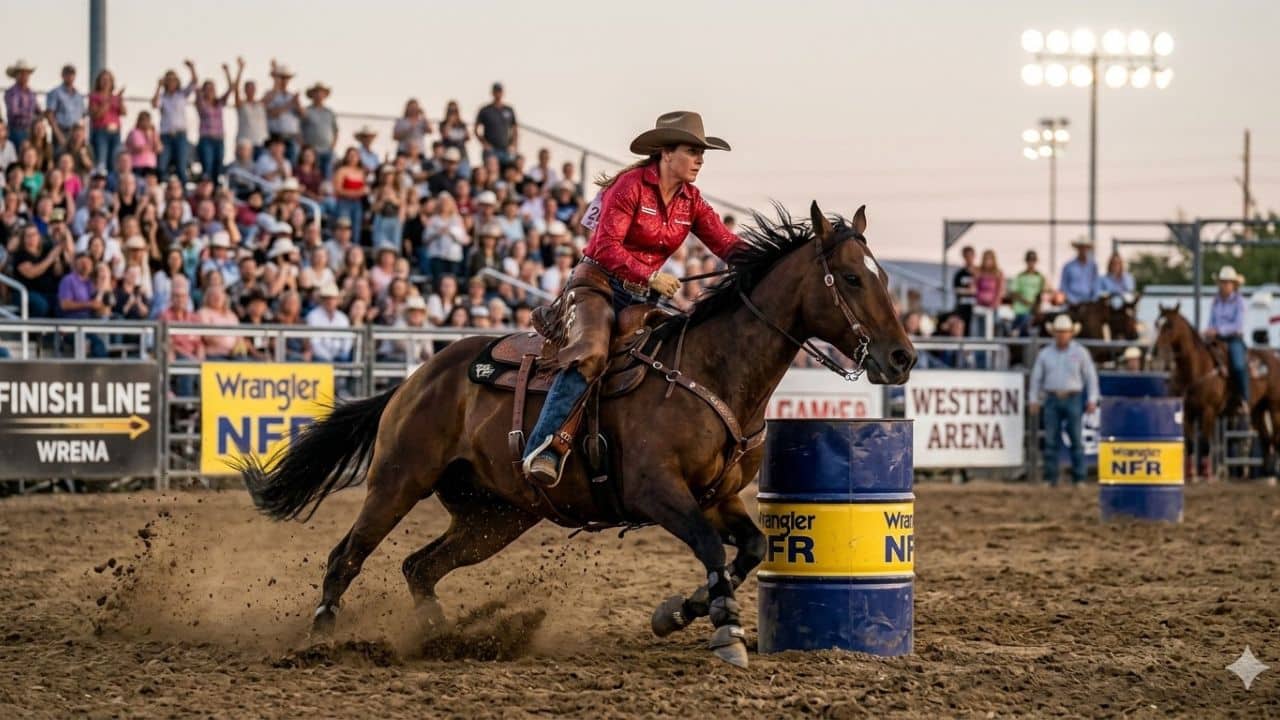
If you are going to attend your first rodeo, you might witness an event called “barrel racing.” This competition involves a horse and a rider (known as a barrel racer) running around three pre-set barrels in a cloverleaf pattern. Whoever finishes the fastest is the winner.
Barrel racers work closely with their horses to build a strong bond based on trust, since even a small mistake can add valuable seconds to a run.
Martingale
In the equestrian world, a martingale refers to the equipment riders put on their horses. Its purpose? Keep a horse from throwing its head too high to give the rider full control, especially in show jumping or cross-country riding.
How does a martingale work, you ask? Whenever your horse raises its head too high, it puts a bit of pressure on the reins and the mouth. Don’t worry, though. A well-fitted martingale won’t get in the way of your horse’s natural movement.
Equestrian
The word “equestrian” means many things — it can refer to a person riding a horse (noun), horseback riding, and horses. It came from the Latin equester.
Balking
If your horse suddenly stops or refuses to approach something, it could be balking. Some people think it is just normal, but it is often due to confusion, fear, discomfort, or a lack of confidence.
Saddle
A saddle is not just a place for a rider to sit. It also distributes the rider’s weight and provides stability when riding. There are different styles of saddles, such as Western, English, and endurance riding. Whatever you choose, the right fit is important as an ill-fitting saddle could cause discomfort and even affect a horse’s movement and performance.
Foal
When a horse is a newborn, the right term to use is “foal.” When caring for a foal, owners usually follow the 1-2-3 rule: The foal should stand up within 1 hour. By the 2nd hour, it should already be nursing. Lastly, the mare should pass the placenta after 3 hours of giving birth.
Fun Fact: When a mare gives birth, it is called “foaling.”
Weanling
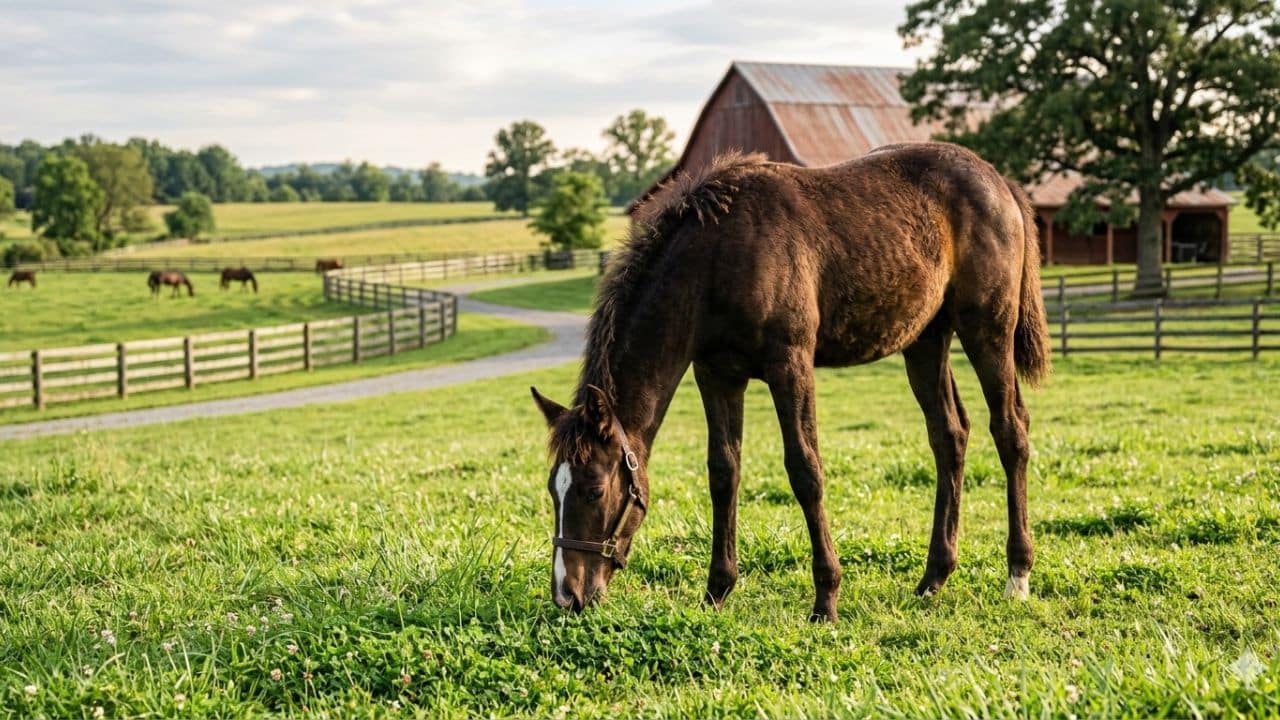
A weanling is essentially a foal that has been cut off from its mother’s milk, usually around 4-6 months. For a successful transition, a nursing foal is often acclimated to solid food first and kept in familiar surroundings.
Gait
If humans can skip, run, and walk, what about horses? They have what you call gaits. Gaits are divided into four: walk, trot, canter, and gallop. Each of these gaits has its own rhythm, speed, and pattern. For instance, a canter is actually a 3-gait, meaning a horse’s legs follow 3 beats and 1 period of suspension pattern.
Gallop
Speaking of gallop, it is the horse’s fastest natural gait. During a gallop, there is a brief moment when all four hooves are off the ground, allowing the horse to cover long distances at high speed. You’ll commonly see horses galloping during races, in movies, cross-country events, or when running freely in a pasture.
Lame
A lame horse means it has difficulty moving normally because of pain, injury, or another issue that affects its legs, hooves, or joints. Lameness in a horse can be subtle, such as a slight change in gait, or more obvious, such as a pronounced limp, and early diagnosis of the cause can help the horse recover.
Hinny
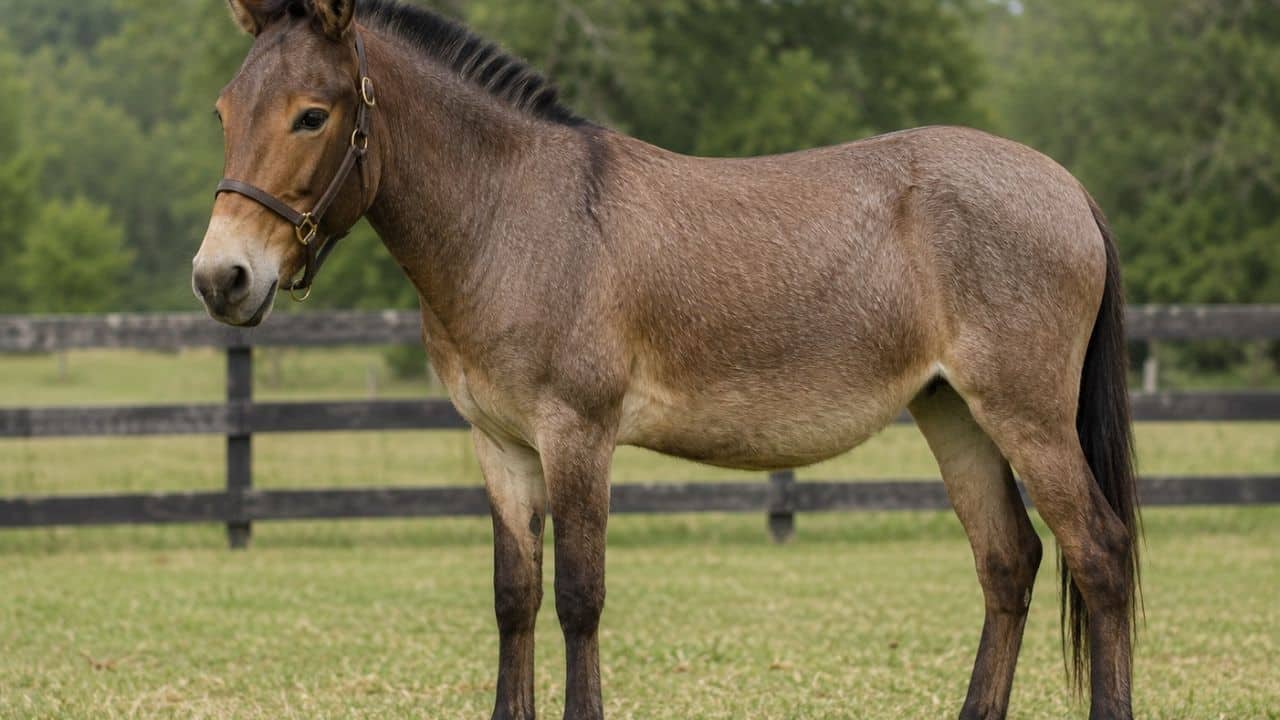
A hinny is a hybrid animal born from a male horse, also known as a stallion, and a female donkey, also called a jenny. Although similar to a mule, hinnies are much less common and often inherit a unique mix of traits from both parents.
Fun Fact: Like mules, most hinnies are sterile and cannot produce offspring.
Pasture
A pasture is an area of land covered with multiple types of grasses and other plants where horses can graze and roam. Good pasture management provides horses with a natural food source while also giving them space to exercise and express normal behaviors.
Mount
You can call your horse, your mount. You’ll often hear riders refer to a favorite horse as “my mount,” especially in horseback riding, equestrian sports, and trail riding. You can also use the term as a verb, meaning to get onto a horse before riding.
Gelding
If a male horse has been castrated, you don’t call it a stallion; you refer to it as a gelding. They are generally calmer and more focused than stallions, making them popular for riding, competition, and everyday work. They are good for riders of all experience levels and have a balanced temperament.
Sire
A father of a foal is called a sire. The sire is an important component of a horse’s pedigree, as it helps determine inherited traits, bloodlines, and performance potential. Breeders often consider a sire’s history and accomplishments when planning for future generations of horses.
More Words Related to Horses
- Colt
- Filly
- Yearling
- Dom
- Broodmare
- Stud
- Herd
- Pony
- Mustang
- Steed
- Nag
- Charger
- Palfrey
- Courser
- Destrier
- Hackney
- Racehorse
- Thoroughbred
- Bridle
- Reins
- Bit
- Saddle
- Stirrup
- Girth
- Halter
- Lead Rope
- Martingale
- Breastplate
- Blanket
- Horseshoe
- Tack
- Stable
- Stall
- Barn
- Paddock
- Pasture
- Corral
- Pen
- Hay
- Oats
- Grain Feedbag
- Water Trough
- Grooming
- Currying
- Brushing
- Shoeing
- Farrier
- Mucking
- Turnout
- Mane
- Tail
- Forelock
- Withers
- Muzzle
- Nostrils
- Barrel
- Walk
- Trot
- Canter
- Gallop
- Pace
- Lope
- Rear
- Buck
- Kick
- Neigh
- Whimny
- Nicker
- Snort
- Whicker
- Stamp
- Prance
- Shy
- Spook
- Bolt
- Race
- Jump
- Hurdle
- Dressage
- Eventing
- Polo
- Show Jumping
- Endurance
- Jockery
- Stablehand
- Trainer
- Pedigree
- Bloodline
- Foaling
- Weaning
- Breeding
- Coltish
- Equine
- Cavalry
- Carriage
- Harness
- Buggy
- Wagon
- Chariot
- Mounted
- Unbridled
- Hofbeat
- Reinsman
- Horsehair
- Stablemate
- Ponying
- Tack room
- Hayloft
- Hitching post
- Livery
- Hoofpick
- Curry comb
- Mane comb
- Fly mask
- Fly sheet
- Leg wraps
- Saddle pad
- Cinch
- Curb bit
- Snaffle
- Hackamore
- Crop
- Whip
- Spurs
- Mounting block
- Bridle path
- Cross-county
- Steeplechase
- Furlong
- Tack trunk
- Foxtrot
- Piaffe
- Passage
- Collected
- Extended
- Reinback
- Lead change
- Canter lead
- Draft horse
- Palomino
- Roan
- Bay
- Chestnut
- Dun
- Pinto
- Sorrel
- Cremello
- Buckskin
- Skewbald
- Piebald
- Snip
- Stocking Sock