The word ‘anaphora’ is not always brought up in everyday conversations, but it doesn’t mean it’s a complex concept to grasp! In fact, you’ve probably come across this literary device more times than you realize! Want to know how it works—and why it’s so effective? Let’s break it down.
Related:
- Literary Devices: What Are They and 38 Common Types (With Examples)
- What Is Alliteration?
- What Is Onomatopoeia?
What Is Anaphora?

Anaphora, a literary device, is the repetition of a word or a phrase at the beginning of back-to-back sentences. You’ll notice it in song lyrics, hear it in speeches, see it in advertisements, and read it in poems. And, yes, it is a type of repetition, but it is not the same as cataphora and epistrophe reference (more on this later!).
How Does Anaphora Work?
Imagine the main beat of a song. It drives the rhythm and makes you follow it. That’s how anaphora works.
Repeating the words or phrases adds emphasis, grabbing the attention of your audience. So much so that they’ll anticipate the repeated phrase and help them understand the mood you’re trying to convey.
Why Is Anaphora Used in Writing?
The reason why many politicians, poets, marketing agencies, lyricists, and writers use anaphora is that it emphasizes key ideas and makes them memorable. Here are other compelling reasons:
- Builds strong emotional connections.
- Unifies different parts of your writing.
- Effectively build suspense
- It persuades.
- Simplifies complex ideas.
What Is the Difference Between Anaphora and Epistrophe?
The main difference between anaphora and epistrophe is the placement of the repeated words.
Anaphora repeats words or phrases at the beginning of consecutive sentences. For instance:
“We shall fight on the beaches, we shall fight on the landing grounds…”
As you can see, the emphasis is built from the start. It aims to create a forward-driving force.
On the other hand, epistrophe repeats those words or phrases at the end of the sentences. Look at this reference from Abe Lincoln:
“…government of the people, by the people, for the people…”
The emphasis lands at the conclusion, creating a strong and conclusive feeling.
Basically, you can think of anaphora as the starting bell of a race, while epistrophe could be the finish line.
What Are Some Examples of Anaphora?
Here are a few anaphora examples in popular culture that you may have heard before (if not, be sure to Google them!).
In Literature
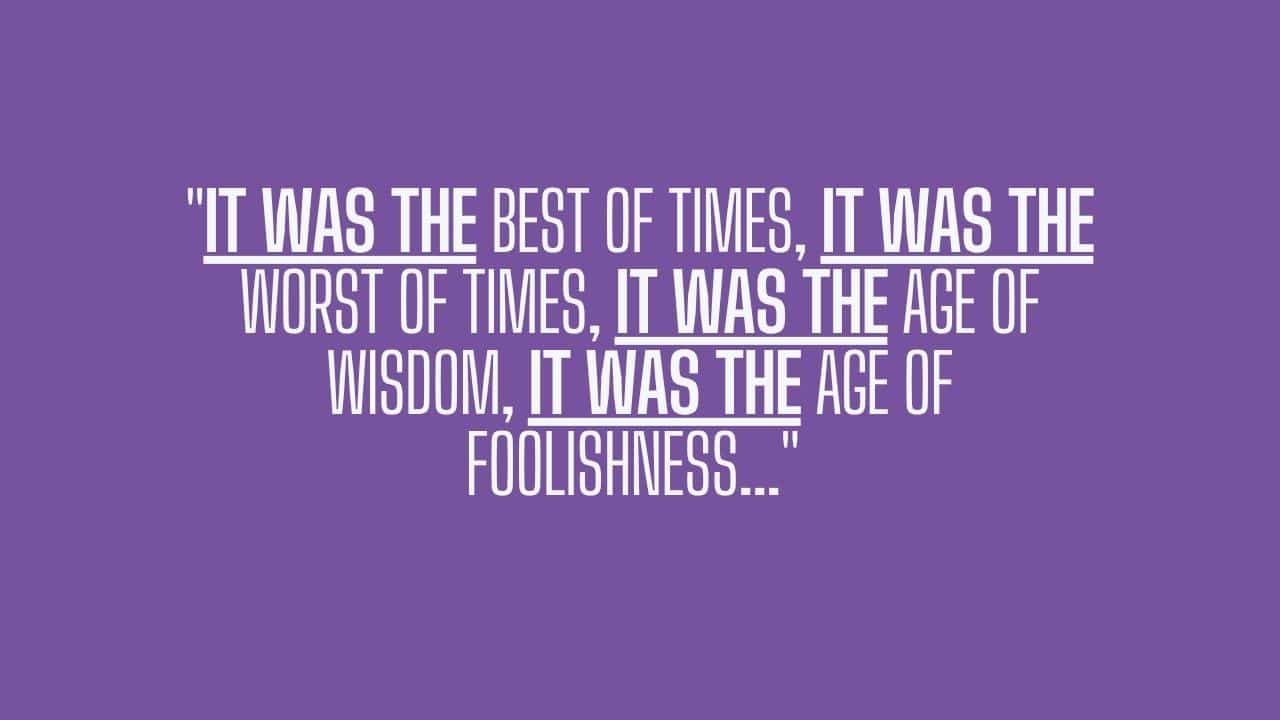
That’s how A Tale of Two Cities by Charles Dickens starts. The contrast provides a brief yet intense description of the setting and mood.
In Speech

Martin Luther King Jr.’s “I Have a Dream” is a legendary speech that resonated around the world. And it’s probably the most famous use of anaphora in popular culture.
In Film
In the movie Independence Day, President Whitmore gives a speech with anaphora. He said:
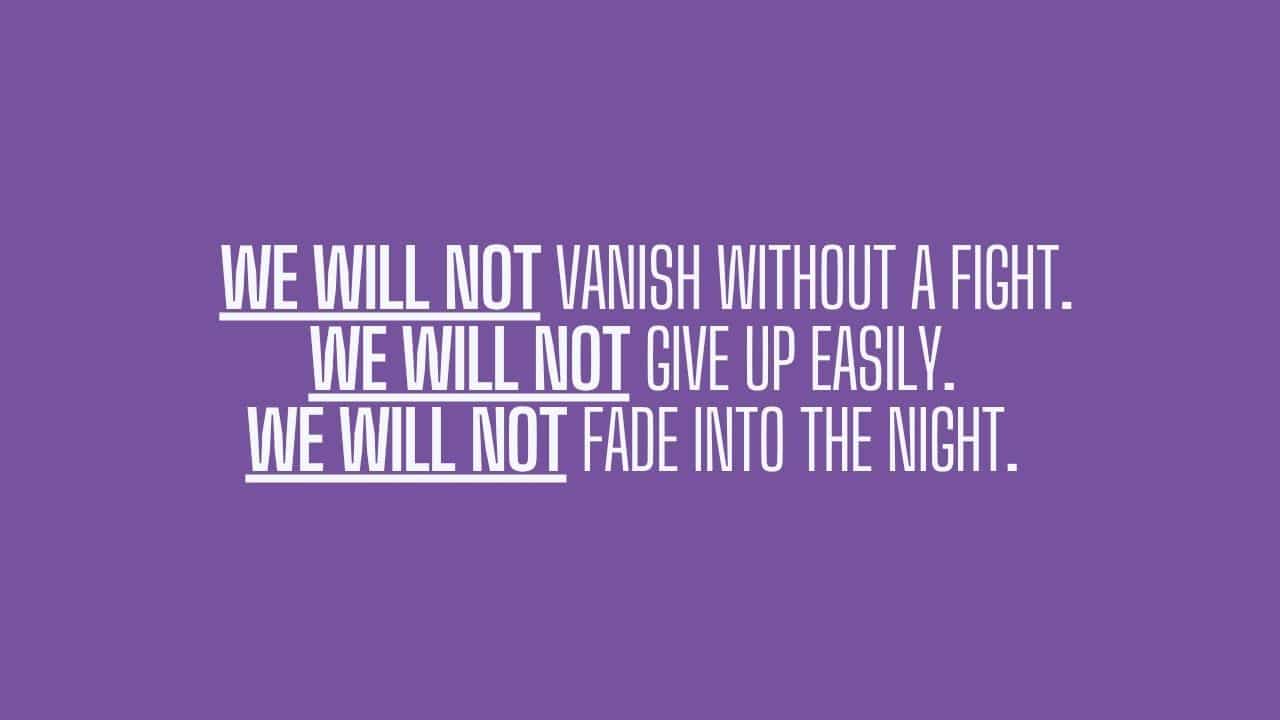
In this case, repeating “We will not” builds a powerful momentum. It aims to unify people against a common enemy while motivating everyone.
In Music
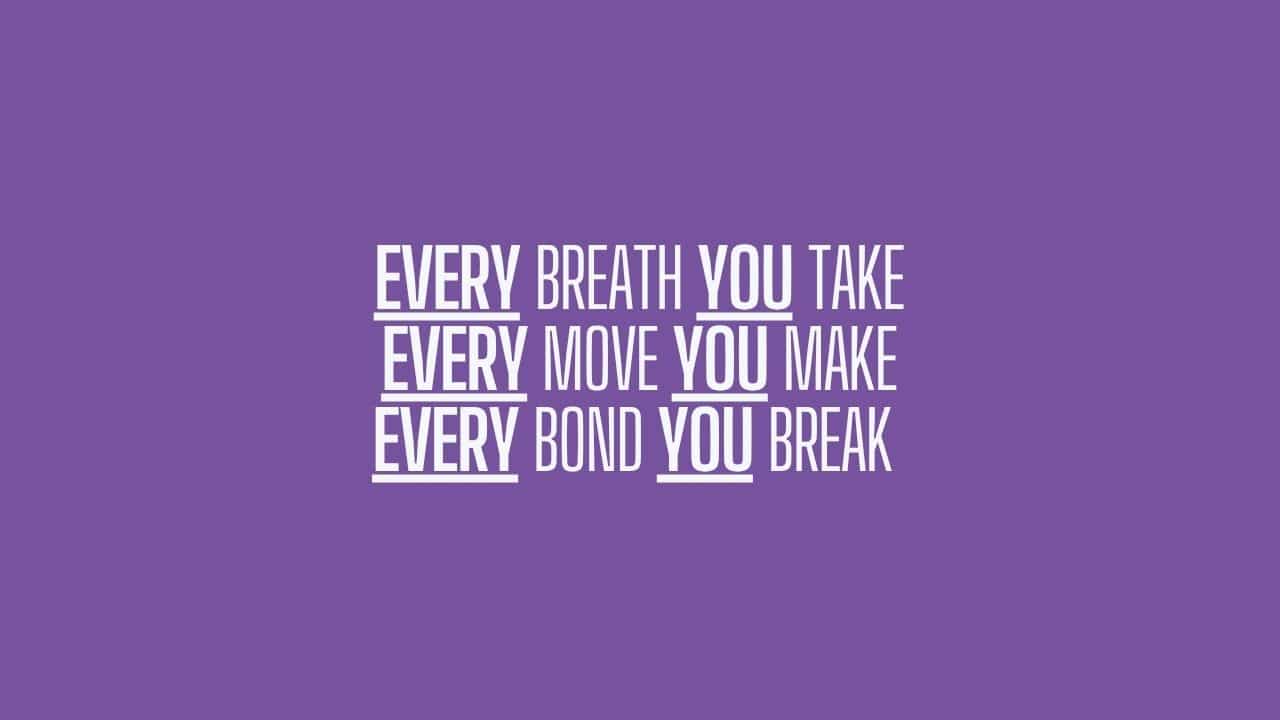
Sting wrote and sang “Every Breath You Take,” and yes, it also uses anaphora.
In Poetry
Maya Angelou’s historical poem Still I Rise is another powerful example of anaphora in popular culture. She used “You may” as her repetition, putting focus on resilience, defiance, and confronting injustice. Angelou wrote:

How to Write an Anaphora?
Writing an anaphora is pretty simple! All you have to do is repeat the same
words at the beginning of your sentences. That’s it! Here are some tips to make your anaphora more impactful:
- Pick your main idea: What would you like to highlight? The repeated phrase or word should emphasize it.
- Choose a short, strong phrase: Don’t just randomly choose any word. Select phrases that will emphasize your main idea.
- Ensure it flows naturally: Verify that it fits seamlessly into all your sentences. It must make sense.
- Vary the length of your sentences: This will keep the reader’s attention without boring them.
- Read it out loud: Sounds good? Do you feel its impact? Hearing it helps you improve the rhythm.
- Use it wisely: Do not overdo it. Sometimes, less is more. Think strategically about the placement of your anaphora in the text.
Final Thoughts
There you have it! The whole premise of anaphora is repeating words or phrases at the beginning of consecutive sentences. It’s pretty simple, but its rhythm adds emphasis, making every line unforgettable. Remember, use it where it matters most!