From sweet and crunchy to earthy and bold, these “B” veggies each bring their own flavor and texture to many dishes. And who knows, one of these vegetables might be your new favorite ingredient.
Related:
Brussels Sprouts
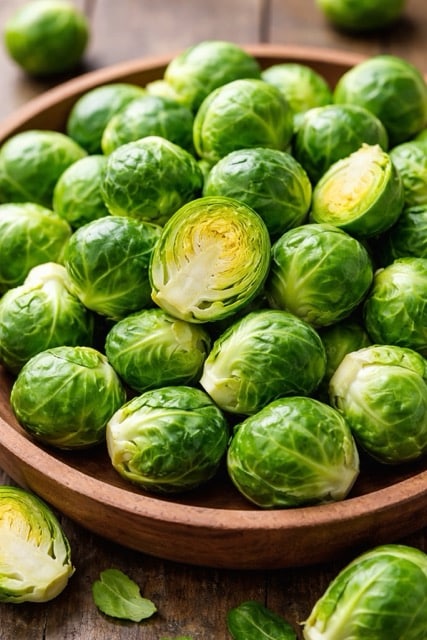
Boiling or steaming Brussels sprouts may not be the most appetizing smell in your home. But we guarantee that you’ll fall in love with this vegetable if you roast it properly. You get caramelized edges and tender and buttery insides. The result? A sweet-and-savory dish that pairs perfectly with garlic, olive oil, or balsamic vinegar.
Fun fact: Boiled or steamed Brussels sprouts smell like rotten eggs because their glucosinolates break down into volatile compounds. They also grow on tall stalks, not underground as most people assume.
Butternut Squash
Butternut squash, a winter squash variety, is one of the healthiest vegetables in this list. Not only is it 48 calories (raw, per 100g), but it is also rich in carbohydrates, protein, fiber, and carotenoids. So, how do you cook butternut squash? You can roast it in the oven! After you slice it in half and remove the seeds, put olive oil, salt, and pepper. You can also make it into soup or a puree.
Bell Peppers
With about 90% water content and a natural sweetness, bell peppers are one of the easiest vegetables to use in almost anything. You can eat them raw, roast, grill, or sauté (they always hold their texture and flavor!). Bell peppers come in different colors, and, believe it or not, they taste differently. Green is more bitter, while yellow is sweeter, and red is the sweetest among the three.
Bamboo Shoots
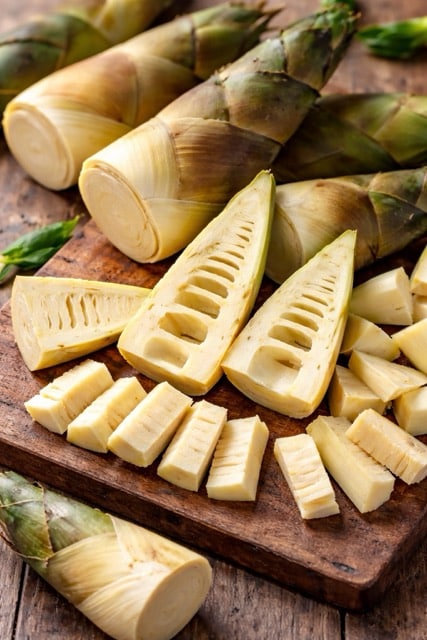
Bamboo shoots are young sprouts that you have to boil first to remove their natural bitterness, but once cooked, they’re crisp and slightly sweet. You’ll find them in many Asian dishes because they soak up sauces without becoming soft.
Basil
Basil is perfect for many pastas, salads, and tomato-based recipes. Why? Because this herb has a sweet and slightly peppery flavor! For the strongest aroma and taste, add it fresh at the end rather than cooking it too long.
Broccoli
Broccoli is a versatile cruciferous vegetable. You can roast, steam, sauté, or grill it. And, believe it or not, you can also eat it raw if you prefer an extra crunch. How about its nutrients? It contains almost 90% water, which means it is low in calories (100 grams is only 39 calories). It is also high in fibre and vitamins C and K.
Fun Fact: Ever wondered why kids hate broccoli? Well, a study suggests that specific enzymes in the saliva can make broccoli (along with other cruciferous vegetables) taste unpleasant.
Broad Beans (Fava Beans)
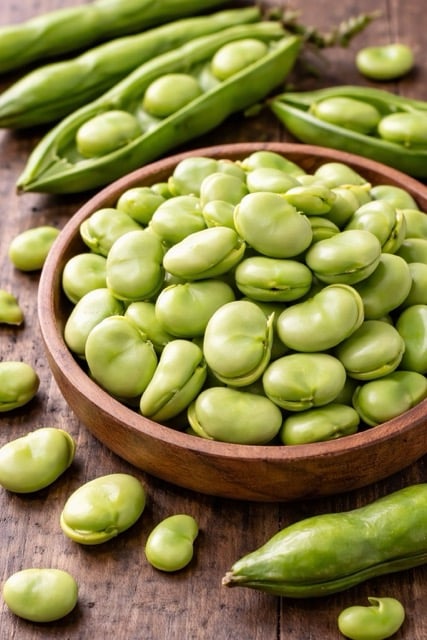
When you open broad beans, you get these tasty edible seeds. They have a slightly nutty, earthy flavor that works well in salads, pasta, or simple sautés. So, how do you prepare them? Well, it’s quite simple: once they are out of their pods, boil them, then plunge them into very cold, icy water.
Fun Fact: You can eat broad beans with their peel or skin intact as long as they are young and fresh.
Beet Greens
Most people eat only the beetroot and totally ignore the leafy tops, but these greens are also edible and nutritious. They have a soft earthiness and slight bitterness taste that softens when sautéed. You can cook them quickly with garlic and olive oil, or toss them into soups and stews.
Bitter Melon
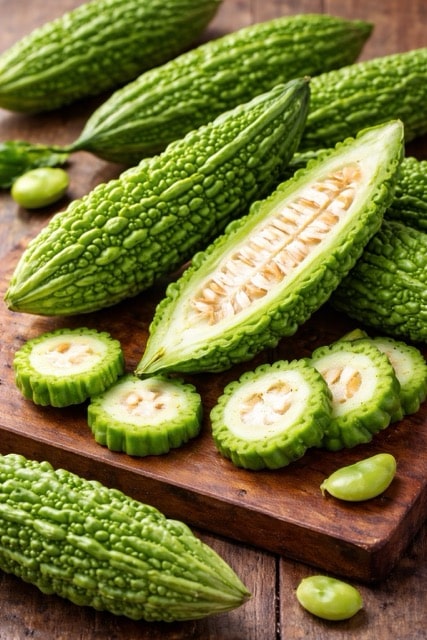
Bitter melon has a strong, acrid bitter flavor that not everyone enjoys right away. This B vegetable, with its distinct, bumpy, ridged skin, is frequently stir-fried, stuffed, or added to soups in Asian, African, and Caribbean cuisines.
Tip: Cutting bitter melon into thin slices and putting it in a salt and water mixture (for at least 30 minutes) will make it less bitter.
Black Eyed Peas
Don’t be fooled! Black-eyed peas are actually beans. They have a predominantly beige color with a distinct small dark spot that looks like an “eye,’ hence the name. Once cooked, they’re soft, slightly nutty, and hearty enough for stews, salads, or rice dishes. These legumes grow well in warm weather and have high protein and fibre content.
Black Beans
Blacks beans have a creamy texture inside with a soft skin on the outside. Once cooked, they have a mild, earthy flavor that absorbs spices well. You can simmer them for soups, mash them for tacos, or toss them into salads, adding extra protein and fibre.
Bok Choy
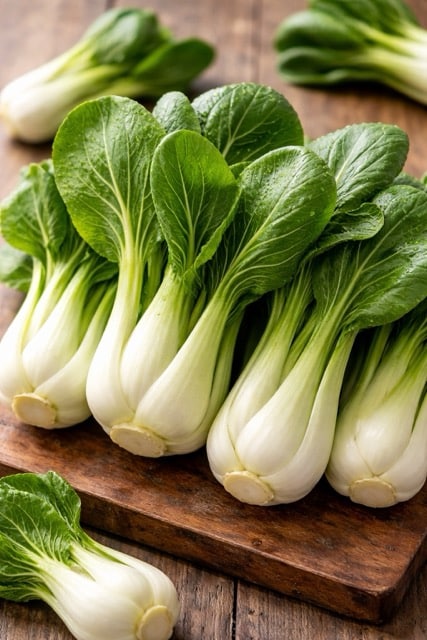
Native Chinese Bok Choy has a light, crunchy texture. You’ll usually eat it stir-fried, steamed, or in soups, where the stalks stay crunchy, and the leaves soften quickly. Since it has a mild, sweet flavor, you can sauteé it with garlic, soy sauce, and sesame oil.
Belgian Endive
Belgian endives, which look like tiny, pale torpedoes, have a slightly bitter taste and crisp texture. Its distinct flavor complements citrus, nuts, and creamy cheeses. If you are not a fan of bitter vegetables, you should remove the core first.
More Vegetables Starting With B
- Banana Pepper
- Black Radish
- Butterhead Lettuce
- Boston Lettuce
- Bibb Lettuce
- Broccolini
- Broccoli Rabe
- Butter Beans (Lima Beans)
- Blue Hubbard Squash
- Buttercup Squash
- Black Salsify
- Burdock Root
- Bottle Gourd
- Bunching Onions
- Brown Mustard Greens
- Beetroot
- Basella
- Batavia Lettuce
- Bush Beans
- Borlotti Beans
- Bambara Beans
- Bayo Beans
- Beluga Lentils
- Blue Lake Beans