Some of the most distinct dogs in existence start with the letter S: ancient hunting breeds, giant rescue dogs, wolf hybrids, and modern designer mixes all land on this list. Here’s a closer look at 14 of them.
Related:
Saint Shepherd
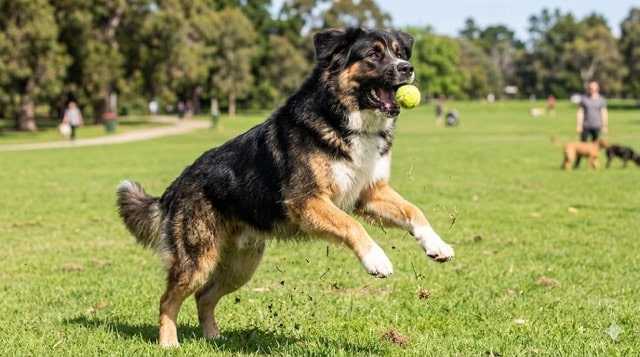
The Saint Shepherd is a cross between a Saint Bernard and a German Shepherd, and the result is exactly as large and loyal as you’d expect.
These dogs inherit the Saint Bernard’s gentle nature and the Shepherd’s intelligence and work ethic, and they are surprisingly trainable for a dog their size. They typically weigh between 85 and 150 pounds and live 10 to 12 years.
Siberian Husky
Originally bred by the Chukchi people of northeastern Siberia, the Husky used to pull sleds over long distances in brutal cold weather, even with little food.
That efficiency is still baked into their genetics today: They have a remarkably low caloric need for their size and an endurance that can outlast most owners on a hike.
What a lot of people underestimate is their vocalization. Huskies are talkers, howlers, and dramatic complainers, and if you live in an apartment, your neighbors will absolutely know about it.
Saint Bernard
Saint Bernards are massive dogs, often reaching 140 to 180 pounds. But don’t be fooled! They are not aggressive; they have a gentle temperament, making them better suited as a family dog than a guard dog. Sadly, their lifespan is relatively short at 8 to 10 years, which is common with giant breeds.
Fun Fact: Great St. Bernard Hospice monks used Saint Bernards as rescue dogs, a role they carried out for centuries.
Siberian Retriever
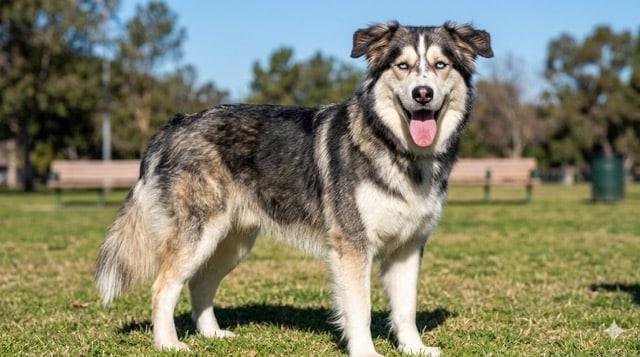
The Siberian Retriever, a mix of Siberian Husky and Labrador Retriever, pulls the best traits of two of the most popular breeds in the world. You get the Labrador’s eagerness to please combined with the Husky’s stamina and striking looks.
These dogs are highly energetic and do best with owners who can commit to plenty of exercise. Their coats can vary quite a bit depending on which parent they take after more, and eye color is often unpredictable; some end up with the Husky’s characteristic blue eyes.
Shetland Sheepdog
Shelties, as they’re commonly called, come from the Shetland Islands of Scotland, where everything, including the sheep, horses, and cattle, tends to run smaller than their mainland counterparts.
These dogs are serious herders with sharp minds and an intense need for mental stimulation. They’re one of the top-ranked breeds in obedience competitions, and they pick up new commands with very little repetition.
Snorkie
The Snorkie combines the Miniature Schnauzer and a Yorkshire Terrier, two breeds with outsized personalities packed into small bodies. These dogs carry a curious temperament that makes them entertaining to live with, but it can be overwhelming at times. They’re alert and vocal, which makes them decent little watchdogs despite their size.
Shih Poo
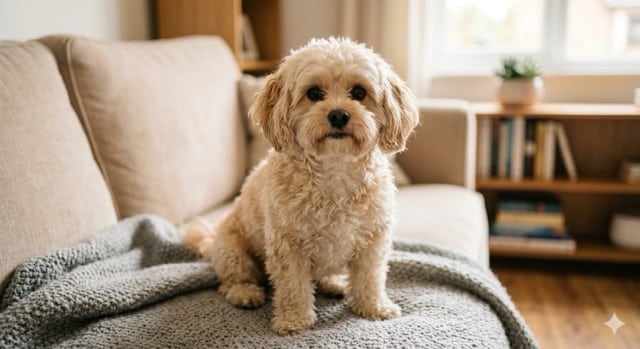
Shih Poo is a cross between a Shih Tzu and a Miniature or Toy Poodle. This breed was specifically developed with allergy sufferers in mind since both parent breeds shed minimally.
They’re small dogs, usually under 20 pounds, with a playful and affectionate temperament that goes well with apartment living.
Schnauzer
The Schnauzer comes in three sizes: Miniature, Standard, and Giant. And each was originally bred for a different purpose.
The Standard was a German farm dog used to hunt rats and guard property, while the Giant was developed for driving cattle and police work. The Miniature, on the other hand, was scaled down as a companion and ratter.
Want to own a schnauzer? Do know that they’re working dogs at heart, and they do best when they have a job or consistent training to keep their minds engaged.
Smooth Fox Terrier
These dogs once drove foxes out of their underground dens, so it’s no surprise they have an urge to chase anything that moves fast —their V-shaped ears and dark eyes give them an expression of constant readiness. Plus, they are natural athletes, with a level of physical coordination that makes them stand out in competitive flyball or agility trials.
Shiba Inu
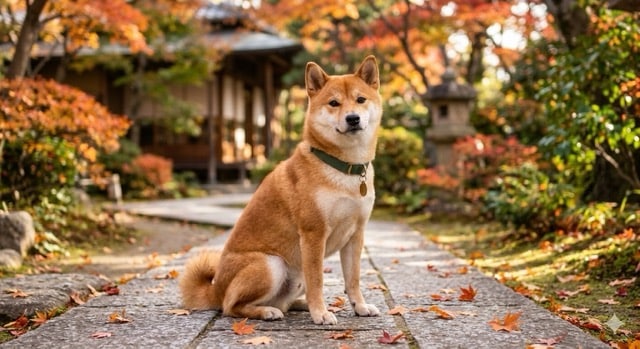
This ancient Japanese breed is known for a cat-like independence and a “Shiba scream” they emit when they are displeased or overly excited. Plus, they are fastidious self-groomers and often avoid puddles or mud to keep themselves clean.
Something to keep in mind, though. Training one requires patience, as they tend to evaluate whether a command is worth their time before they decide to follow it.
Scottish Terrier
The Scottie is one of the most recognizable breeds thanks to their long beard, upright ears, and low-slung body. But did you know they were bred in the Scottish Highlands to hunt foxes, badgers, and rats in rough terrain? And that background explains a lot about their independent, tenacious personality!
Scotties are loyal to their people but rarely described as easygoing — they have strong opinions and aren’t particularly interested in following commands just to make you happy.
Saarloos Wolfdog
The Saarloos Wolfdog was created in the 1930s by Dutch breeder Leendert Saarloos. He crossed a German Shepherd with an Eurasian wolf. The goal? Have a more resilient working dog.
Unfortunately, the result didn’t work out as planned. The wolf influence made these dogs too independent for police or guide dog roles, but a loyal following developed around them anyway.
Saarloos Wolfdogs are pack-oriented animals that bond closely with their family but remain wary of strangers, and they are best suited to experienced owners who understand canine behavior at a deeper level.
Fun Fact: The Netherlands officially recognized the breed in 1975.
Schapendoes
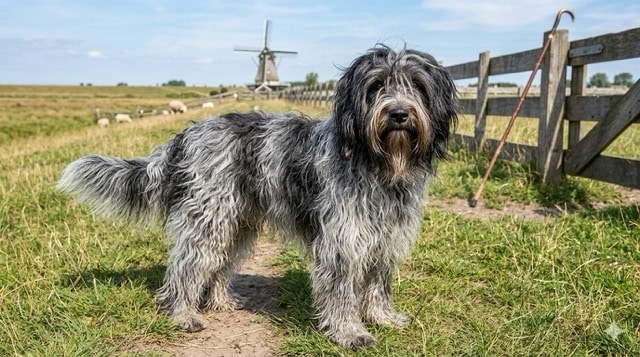
The Schapendoes is a Dutch herding breed that nearly went extinct during World War II. They only survived because of dedicated Dutch breeders. So, what is it like to own Schapendoes? Well, they have a cheerful, lighthearted disposition and lack the intense “seriousness” seen in some other herding breeds.
Fun Fact: Their coat looks like a chaotic mess of curls, but it is actually quite weather-resistant, helping them survive long days working with flocks in the Netherlands.
Saluki
The Saluki is a breed of hound whose ancestors may date back to 7000 to 6000 BCE. Interestingly, salukis are sighthounds, meaning they hunt by vision rather than scent, and their instinct to chase anything that moves is nearly impossible to override. They’re gentle and loyal with their families but can be aloof with strangers, and mistaken for unfriendly.
More Dog Breeds Starting With An S
- Saint Berdoodle
- Samollie
- Samoyed
- Samusky
- Sapsali
- Sarplaninac
- Schillerstövare
- Schipperke
- Schnocker
- Schnoodle
- Schneagle
- Schweenie
- Scoodle
- Scotchi
- Scottish Deerhound
- Sealyham Terrier
- Segugio Italiano
- Seppala Siberian Sleddog
- Serbian Hound
- Shar-Pei
- Shepadoodle
- Sheepadoodle
- Shepkita
- Shepweiler
- Shichon
- Shi-Chi
- Shih-Mo
- Shikoku
- Shiloh Shepherd
- Shiranian
- Shmoodle
- Shorkie
- Silk Terrier
- Silken Windhound
- Skye Terrier
- Sloughi
- Slovenský Kopov
- Slovensky Cuvac
- Small Međimurje Dog
- Small Munsterlander
- Smålandsstövare
- Soft Coated Wheaten Terrier
- South African Boerboel
- South Russian Ovcharka
- Spanish Mastiff
- Spanish Water Dog
- Spreagle
- Springerdoodle
- Sproodle
- Spinone Italiano
- Stabyhoun
- Staffordshire Bull Terrier
- Styrian Coarse-haired Hound
- Sussex Spaniel
- Swedish Lapphund
- Swedish Vallhund