You use brand names all the time without thinking twice, but half of them weren’t even meant to be used like that. You’re not “googling,” you’re doing a web search on Google™. And you didn’t blow up a bouncy house, you pumped up an inflatable trampoline. It’s called genericization—and yeah, some brand names and services got so popular, they just became part of our everyday vocabulary. Here is a closer look at genericized trademarks:
Related:
Aspirin
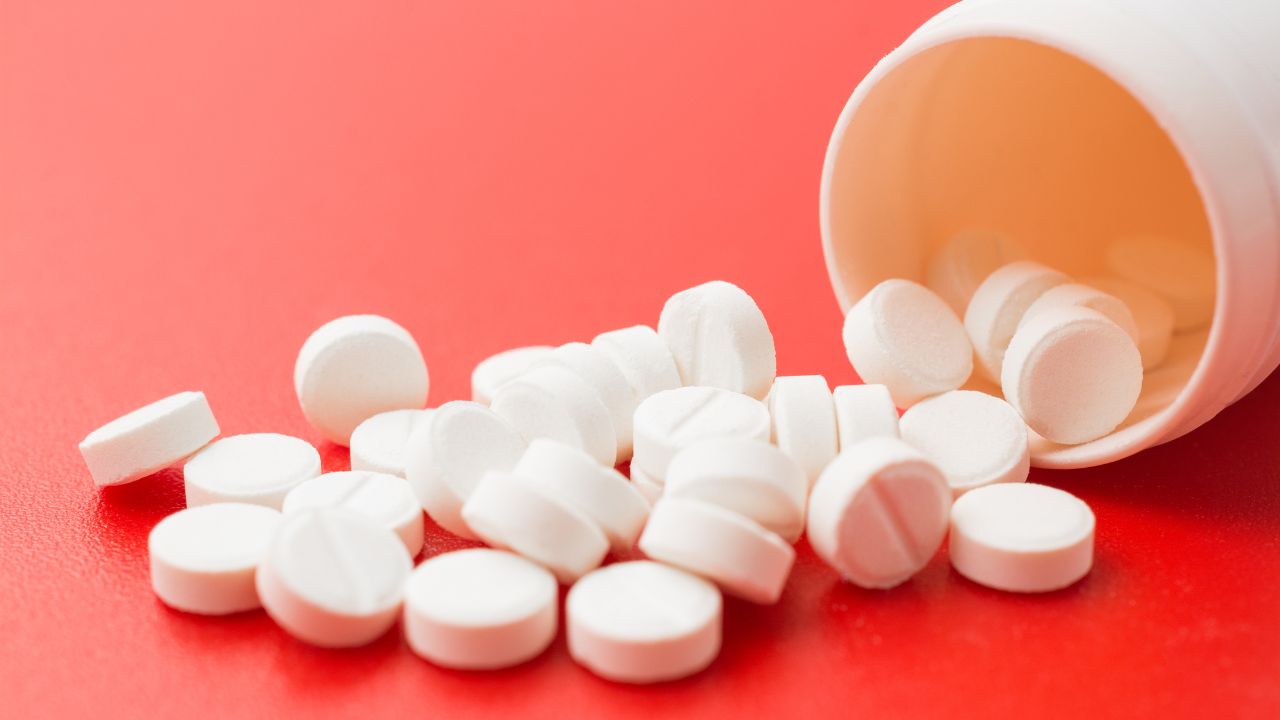
Once a proud invention of Bayer AG, Aspirin has gone from brand to bathroom cabinet staple.
First introduced in 1897 by chemist Felix Hoffmann, this little white tablet was a scientific breakthrough. Why? It’s because it is an effective pain reliever without the gut-wrenching effects of straight-up salicylic acid.
Its name is a mashup of “acetyl,” “Spirsäure” (an old name for salicylic acid), and a drug-sounding “-in.” After World War I, Bayer lost its U.S. rights to the trademark, and just like that, “aspirin” became everyone’s go-to word for pain relief.
It’s still trademarked in some countries, but in the U.S., it’s just aspirin.
Realtor
You might hear the word “realtor” thrown around like it’s a fancy way to say “real estate agent,” but technically, it’s trademarked.
Only those who are card-carrying members of the National Association of Realtors (NAR) can legally call themselves one.
The name was coined in 1916 by Charles N. Chadbourn and is a mix of “realty” and the oh-so-official-sounding “-or.” It’s not just a title, it’s a badge of professional honor (with dues and ethics codes included).
Escalator

Born from a blend of the Latin “scala” (meaning stairs) and the smooth glide of the word “elevator,” the Escalator was originally a brand name owned by Otis Elevator Company.
Charles Seeberger introduced it to the world in 1900, intending the word to be pronounced “es-CA-lator” (which didn’t stick). It lost its trademark status when it became too useful and too universal.
Today, the escalator is just how we get from the food court to the movie theater without breaking a sweat.
Popsicle
A happy accident on a stick, the Popsicle was invented by 11-year-old Frank Epperson in 1905 when he left a cup of soda with a stir stick outside overnight.
He first called it the “Epsicle,” and even patented it in 1924. Eventually, Epperson’s children urged him to change the name to Pop’s ‘Sicle, or Popsicle®.
Q-Tip
Before they became a beauty and hygiene staple, Q-tips had a very different name: “Baby Gays.” The term may sound odd today, but in the 1920s, it simply meant that the product was made for infants.
That name was soon replaced with something a little sleeker, Q-tips, with the “Q” standing for “quality.” Now owned by Unilever, Q-tips have become essential for everything from makeup touch-ups to DIY projects.
Band-Aid
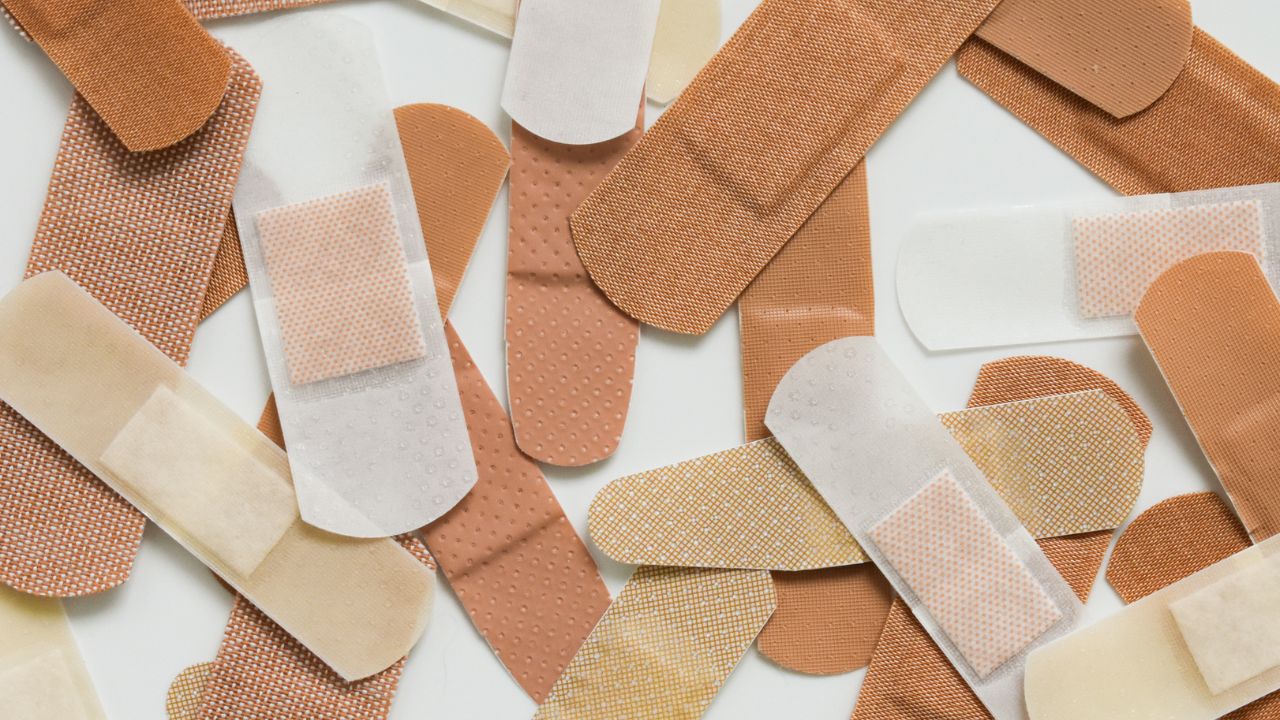
Earle Dickson invented the Band-Aid in 1920 because his wife was a bit accident-prone in the kitchen. Wanting her to be able to dress her own cuts without help, he created a pre-packaged, ready-to-stick bandage.
The name is likely a combo of “bandage” and “aid,” but today it’s shorthand for both minor wounds and quick fixes (“slap a Band-Aid on it”).
Sheetrock
Drywall, but make it brand-name.
Sheetrock is the trademarked version of what most of us just call wallboard, and it’s owned by USG Corporation.
Developed in the early 1900s, Sheetrock changed construction by replacing heavy plaster with panels you could hang and paint in a day. And while Sheetrock is still a brand, the name’s become drywall’s unofficial alias.
Styrofoam
Styrofoam is that light, squeaky foam we all love to hate, except it isn’t—not in the way you think, anyway.
The real Styrofoam, trademarked by Dow Chemical, is a closed-cell foam used for insulation, not your coffee cup. Those disposable plates and coolers? They’re made from a different kind of polystyrene. So technically, calling them Styrofoam is like calling all tissues “Kleenex”—understandable, but not quite accurate.
It started as a math joke. When Larry Page and Sean Anderson brainstormed names for their search engine, “googol” (a 1 with 100 zeroes) came up—a nod to the vastness of the internet. But Anderson mistyped it as “Google,” and Page ran with it. Now? Google is both a noun and a verb, and the company behind it is a digital empire.
Hula-Hoop
Wham-O gave us the Hula-Hoop in 1963, but the idea of spinning hoops around your waist has roots as far back as ancient Greece.
The name was inspired by the hip-swaying hula dance of Hawaii, and once it hit stores, kids (and quite a few adults) couldn’t get enough. It was a toy, a craze, and briefly, an Olympic-level fitness test in playgrounds everywhere.
Jacuzzi
The Jacuzzi family turned their last name into a household word, literally. Originally inventors of aviation parts and water pumps, the Italian-American clan pivoted to whirlpool baths in the 1940s when one of the brothers created a hydrotherapy pump for his son’s arthritis. That innovation turned into a luxury spa movement.
Today, Jacuzzi is still a brand, but the name gets tossed around for any bubbling hot tub.
Jet Ski

The Jet Ski took water sports from leisure to whoosh in seconds. Kawasaki rolled out the first official model in 1972, drawing from Clayton Jacobson II’s stand-up watercraft design.
The name combines “jet” (for the propulsion system) and “ski” (because it glides). While Jet Ski is still Kawasaki’s baby, people use it generically for all similar watercraft, kind of like calling every soda a Coke.
Post-It Note
3M scientists Spencer Silver and Art Fry never set out to make office supplies history. But their accidental invention, a not-too-sticky adhesive, led to the Post-it Note in 1977.
Named for its ability to “post” anywhere, it came in canary yellow because, well, that was the only scrap paper available. Fun fact: 3M still owns the trademark on that exact yellow.
Xerox
Xerox didn’t just invent photocopying; they became synonymous with it. The name comes from “xerography,” meaning “dry writing,” and it forever changed how we duplicate documents.
Founded in the early 1900s, the company introduced the first plain-paper copier in 1959, and suddenly, offices everywhere were humming. Despite years of legal fights to keep “Xerox” from becoming generic, the brand is still alive, though most people use it as a verb, whether they’re using a Xerox machine or not.
Trampoline
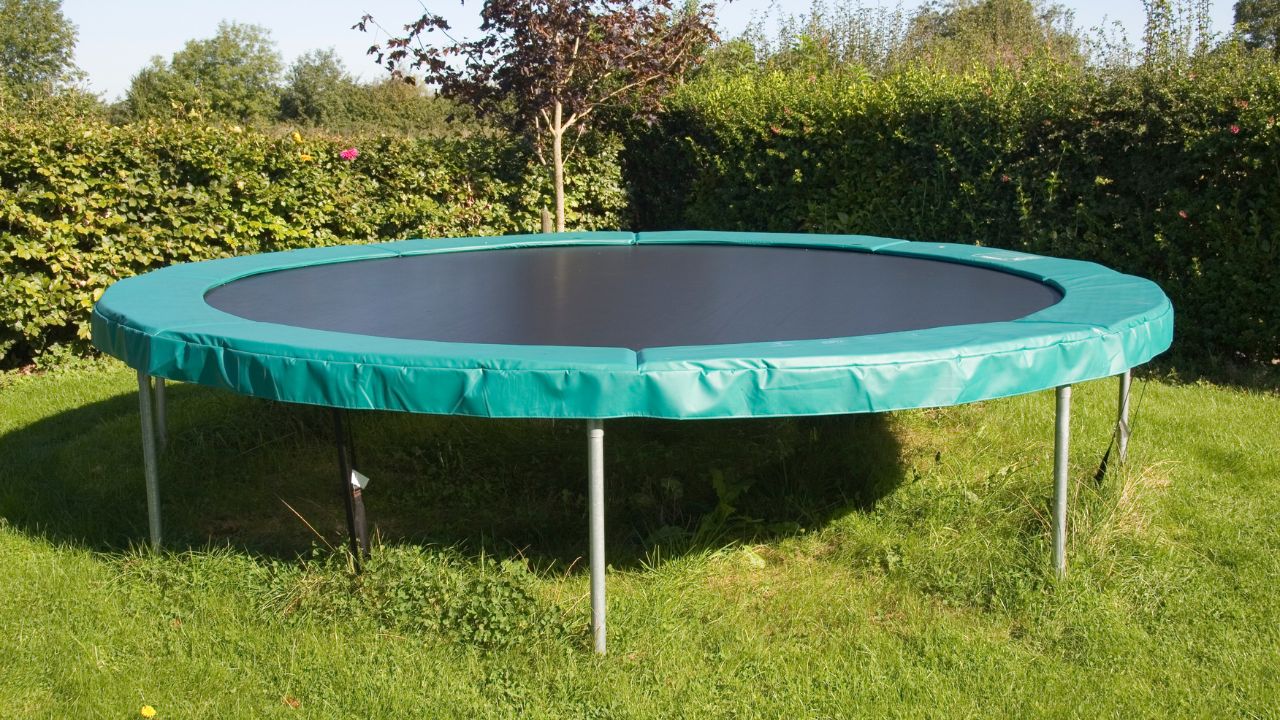
George Nissen and Larry Griswold built the first modern trampoline in between 1934 and 1936, and they had fun naming it too, drawing from the Spanish word trampolín, meaning diving board.
It started as a gymnastic training tool but quickly bounced into backyards everywhere. Though it was once a trademark, the term “trampoline” eventually jumped into the public domain.
Kleenex
When Kleenex launched in 1924, it was marketed as a makeup remover, not the tear-catching tissue we know today.
The name blends “clean” with “Kotex,” another Kimberly-Clark brand, and it didn’t take long before Kleenex became a cold-season staple. Thanks to its softness and timing, it became the go-to term for any facial tissue, trademark or not.
Thermos
Sir James Dewar invented the vacuum flask in 1892, but it wasn’t until German manufacturers branded it “Thermos” (from therme, Greek for heat) that the name stuck.
The Thermos was a scientific tool turned picnic essential, keeping drinks hot or cold for hours. In the U.S., the term became so widespread that the brand lost its trademark status in 1963.
AstroTurf
When natural grass wasn’t cutting it at the Houston Astrodome, Monsanto stepped in with a synthetic solution: AstroTurf.
The name comes from the Astros baseball team and the stadium itself, the first to use this artificial greenery in the 1960s. It was high-tech, low-maintenance, and controversial (those rug burns were real). Although other brands now make fake grass, AstroTurf is still the name everyone knows, even if it’s not what they’re playing on.
Frisbee
The name Frisbee came from a surprising source: pie tins. College students used to toss around empty tins from the Frisbie Pie Company, and the name stuck.
When Wham-O released their own flying disc toy (originally called the Pluto Platter), they embraced the nickname and officially changed the product’s name to Frisbee.
Zipper
The word zipper was trademarked in 1925 by B.F. Goodrich for a type of boot with a new, zippy fastener. The sound it made—zip!—gave it the name. Unfortunately for them, people liked the term so much that it quickly became generic.
By 1930, they only retained the rights to the term “Zipper Boots.” So, while we all zip up our jackets now, B.F. Goodrich can’t claim the credit anymore.
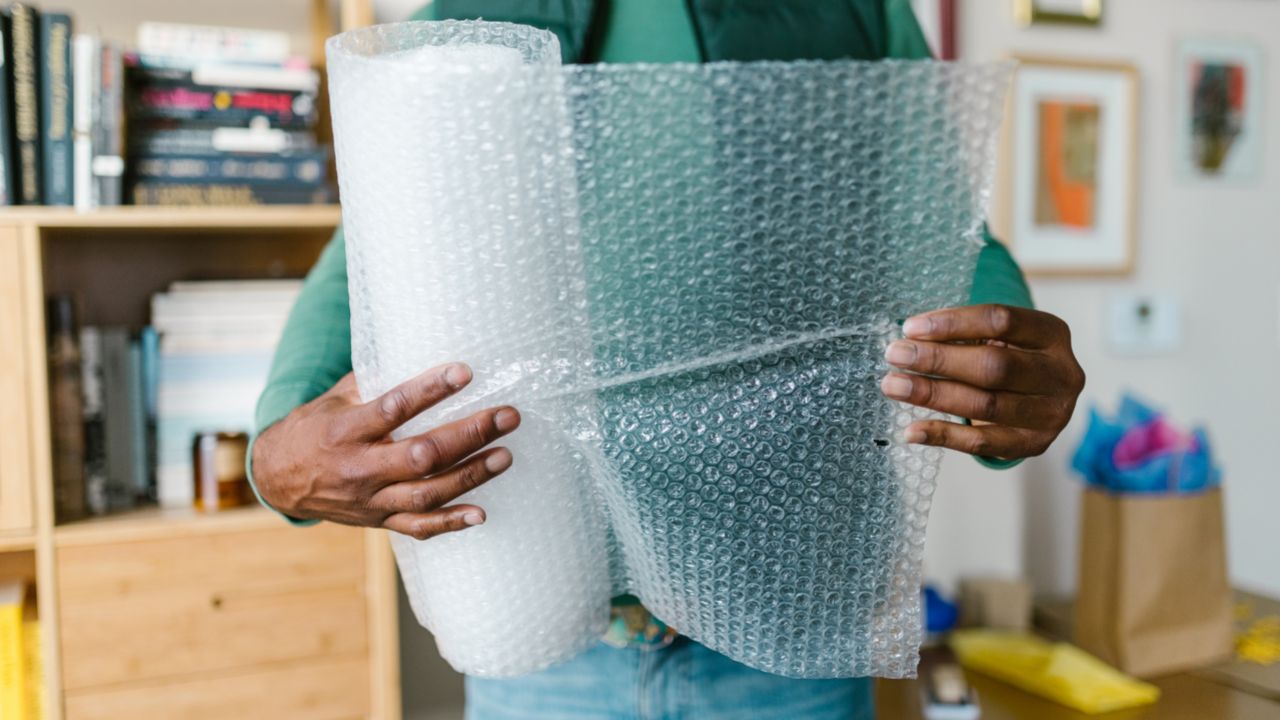
Bubble Wrap
Invented in 1957 by Alfred Fielding and Marc Chavannes, Bubble Wrap was originally meant to be wallpaper. That didn’t catch on, but its use as protective packaging certainly did.
Sealed Air owns the trademark, but like with many popular inventions, the name has gone mainstream as the catch-all for any bubbly packaging.
Heroin
When Bayer first trademarked Heroin in 1898, they took the name from the German word heroisch, meaning heroic or strong, likely inspired by the drug’s potent effects.
However, during WWI, the U.S. government seized Bayer’s assets, and the trademark was lost. Now, the name is less about branding and more about a sobering chapter in pharmaceutical history.
Linoleum
Linoleum was a flooring breakthrough made from linseed oil and cork dust, hence the name, from linum (flax) and oleum (oil).
Inventor Frederick Walton founded the Linoleum Manufacturing Company in 1864 but never actually trademarked the name. By the time he realized he should have, it had already become the go-to term for resilient flooring, genericized beyond his reach.
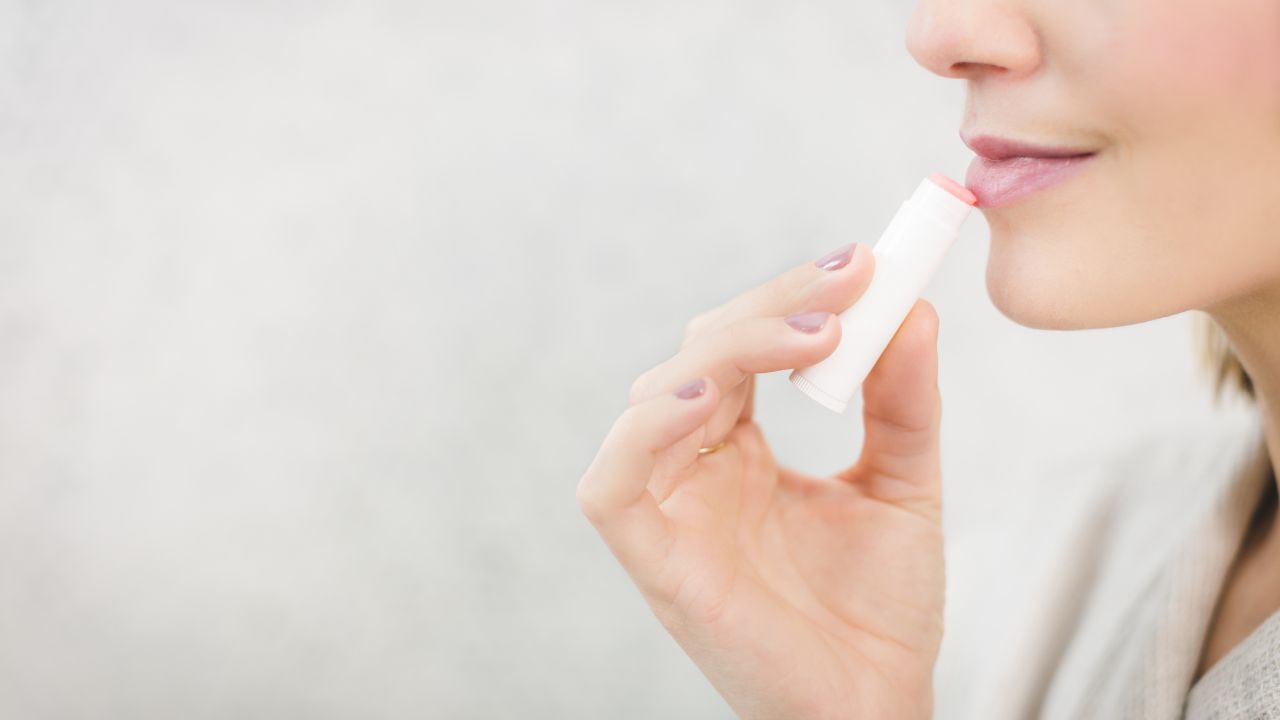
Chapstick
Chapstick is so embedded in our lips (and vocabularies), it’s easy to forget it’s a brand.
Originally developed in the early 1900s and now owned by Pfizer, Chapstick is technically a trademarked name for lip balm. But try telling that to anyone who’s ever asked, “Do you have any Chapstick?” when they meant any brand under the sun.
Granola
Originally called granula, this cereal was the brainchild of health reformer James Caleb Jackson in the 19th century. Inspired by the Latin grānum (grain), granola got its crunch and name before Kellogg’s jumped in with a similar product.
The name eventually became generic, and now, any toasted mix of oats and nuts can ride the granola wave.
Magic Marker
The Magic Marker earned its name in 1953 thanks to inventor Sidney Rosenthal. The brand name caught on quickly, though many now use it generically to describe any bold, inky marker that gets the job done.
Sharpie
First introduced in 1964, Sharpie became the bold, black staple of labeling and autographing alike. Owned by Newell Rubbermaid, it’s technically still a trademark, but the name is so dominant in its category that Sharpie is often used for any permanent marker, even those without the trademark precision.
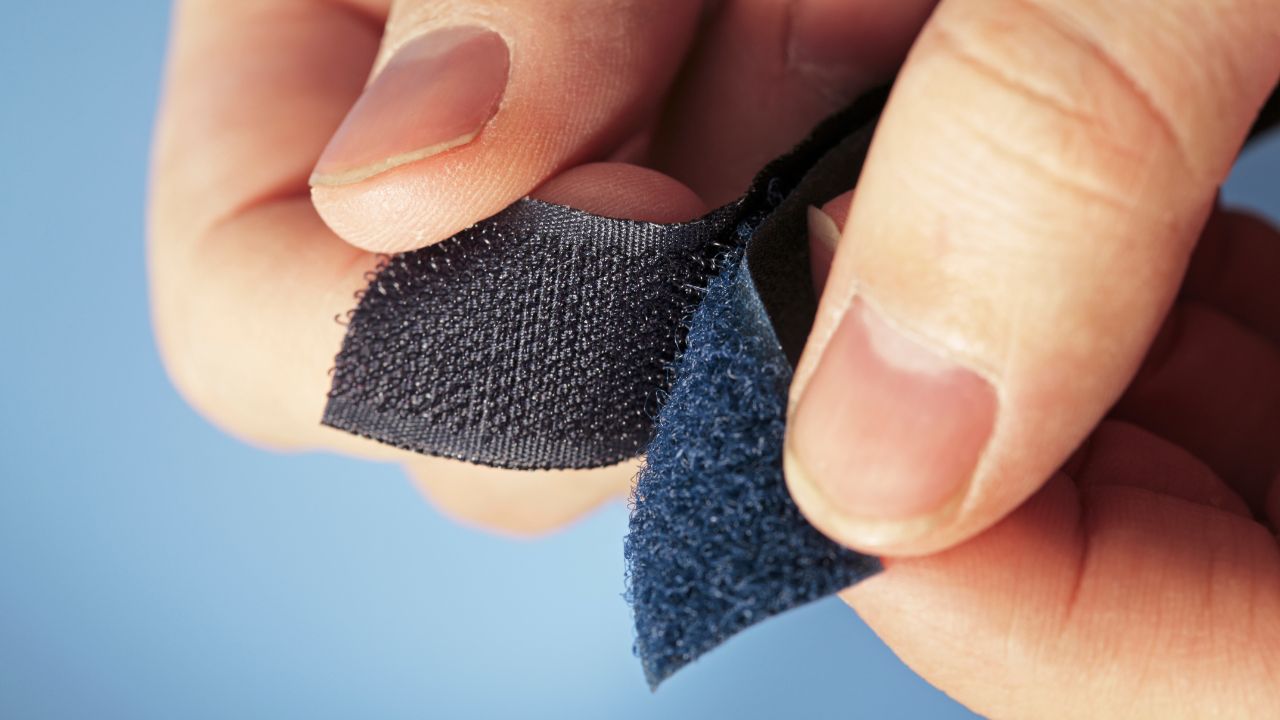
Velcro
Invented by Swiss engineer George de Mestrel, Velcro combines the French words velours (velvet) and crochet (hook). Though the company still owns the trademark and often pleads for people to say “hook-and-loop,” Velcro has become the default for everything from kids’ shoes to cable organizers.
Saran Wrap
Invented in 1933 by the Dow Chemical Company, Saran Wrap was originally made from a substance called PVDC.
Saran wrap got its name by combining “Sarah” and “Ann,” the daughter and wife of a Dow chemist. Now owned by S.C. Johnson, it’s still a trademark, but most people use Saran Wrap as shorthand for any clingy kitchen plastic.
Mace
Invented in 1965, Mace took its name from the medieval spiked weapon. The idea? Getting sprayed in the face with this chemical deterrent was just as unpleasant as a hit from the old-fashioned mace.
Though the name is trademarked by Mace Security International, the brand has become a catch-all for pepper spray.
Onesie
While Gerber only officially owns the trademark for the plural Onesies, they’ve successfully protected it even in its singular form. The name comes from the word one and the cozy, diminutive suffix -sie, making Onesie the adorable standard for any one-piece garment, baby or otherwise.
Plexiglas
Invented by Otto Röhm, Plexiglas is a brand of clear acrylic that got its name from an earlier Röhm product called Plexigum. Altuglas International is still the trademark owner, people often use “plexiglass” to describe any transparent plastic that stands in for glass.
Taser
Jack Cover named the Taser after one of his childhood favorites, Tom A. Swift’s Electric Rifle. That acronym became the name for the now-familiar stun gun used by law enforcement.
Though Taser is still a trademark owned by Axon, the word has entered pop culture as shorthand for any stun device.
Photoshop
Created by Thomas and John Knoll, Adobe’s Photoshop was originally called “Display” and then “ImagePro” before becoming the digital darkroom we know today.
While Photoshop remains a registered trademark, the name has become a verb, whether or not you’re using Adobe’s actual software to touch up those vacation pics.