Passover comes with a language all its own, full of Hebrew words and expressions that carry centuries of tradition. Here’s a guide to some of the most common Passover words.
Related:
Chag Pesach Sameach (KHAG PAY-sakh sah-MAY-akh)
This Passover phrase is the standard holiday greeting, meaning “Happy Passover.” You’ll hear it in conversations, on cards, and in festive toasts. It’s warm, cheerful, and the perfect way to wish someone well during the week of celebration.
Afikomen (ah-fee-KOH-men or ah-fee-koh-MEN)
The afikomen adds an element of mystery to the Seder meal. This special piece of matzah gets broken in half early in the evening, with one portion hidden away for children to find later. Whoever finds the hidden matzah often receives a small prize or gift. You can’t complete the Seder without it, since the afikomen serves as the very last taste of the evening.
Fun Fact: The word comes from the Greek meaning “dessert” or “after-meal entertainment.”
Hametz or Chametz (kha-METZ or KHA-metz)
Hametz represents everything that’s off-limits during Passover: any food made from wheat, barley, oats, rye, or spelt that has been allowed to rise or ferment.
Before Passover, many families clean their homes from top to bottom, removing every trace of hametz. Some people sell their hametz to a non-Jewish friend for the duration of the holiday, then buy it back afterward – a creative solution that honors the tradition while being practical.
Haggadah (huh-GAH-duh)
Your roadmap for the entire Seder evening, the Haggadah is the book that guides you through prayers, songs, stories, and rituals. The word means “telling” in Hebrew, which perfectly captures its purpose: to tell the story of the Israelites’ exodus from Egypt.
Every family might have a slightly different version, from beautifully illustrated traditional texts to modern interpretations that include contemporary social justice themes. Some families encourage everyone to take turns reading different sections aloud, making the experience interactive and engaging for all ages.
Matzah (Matzo) (mat-suh)

Flat, crisp, and unmistakable, matzah is the bread of Passover. Matzah reminds everyone of the haste with which the Israelites left Egypt – there wasn’t time to let bread rise properly.
You’ll eat matzah throughout the week in various forms: plain as a side, ground up as a flour substitute for cooking, or even as matzah brei (scrambled with eggs) for breakfast.
Maror (mah-RAWR)
Maror refers to the bitter herbs that remind participants of the harsh slavery endured in Egypt. Horseradish is the most common choice, though some families use romaine lettuce or other bitter greens.
You’ll typically eat maror twice during the Seder: once on its own and once combined with matzah and charoset in a sandwich called the Hillel sandwich.
Elijah (ih-LIE-juh or ee-LIE-juh)
According to Jewish belief, Elijah will return to announce the coming of the Messiah, and Passover represents the perfect time for his arrival.
Families set aside a special cup of wine for Elijah and often leave a door open during part of the Seder to welcome him. Children especially love this tradition, sometimes claiming they saw the wine level drop slightly, a sign that Elijah stopped by for a sip.
Karpas (KAH-r-pahs)
This simple vegetable (usually parsley, celery, or potato) might seem unremarkable, but it is an important symbol. You’ll dip the karpas in salt water and eat it early in the Seder.
The green vegetable itself symbolizes the freshness of spring and the hope of renewal. Some families let children take turns dipping the karpas, making them part of the ritual from the start of the evening.
Berach (beh-RAKH)
The word berach refers to blessings. These blessings mark transitions between different parts of the meal and give thanks for wine, matzah, and other elements of the celebration.
Each berach follows a traditional Hebrew formula, often beginning with “Baruch Atah Adonai” (Blessed are You, Lord).
Charoset (cha-ROE-set)
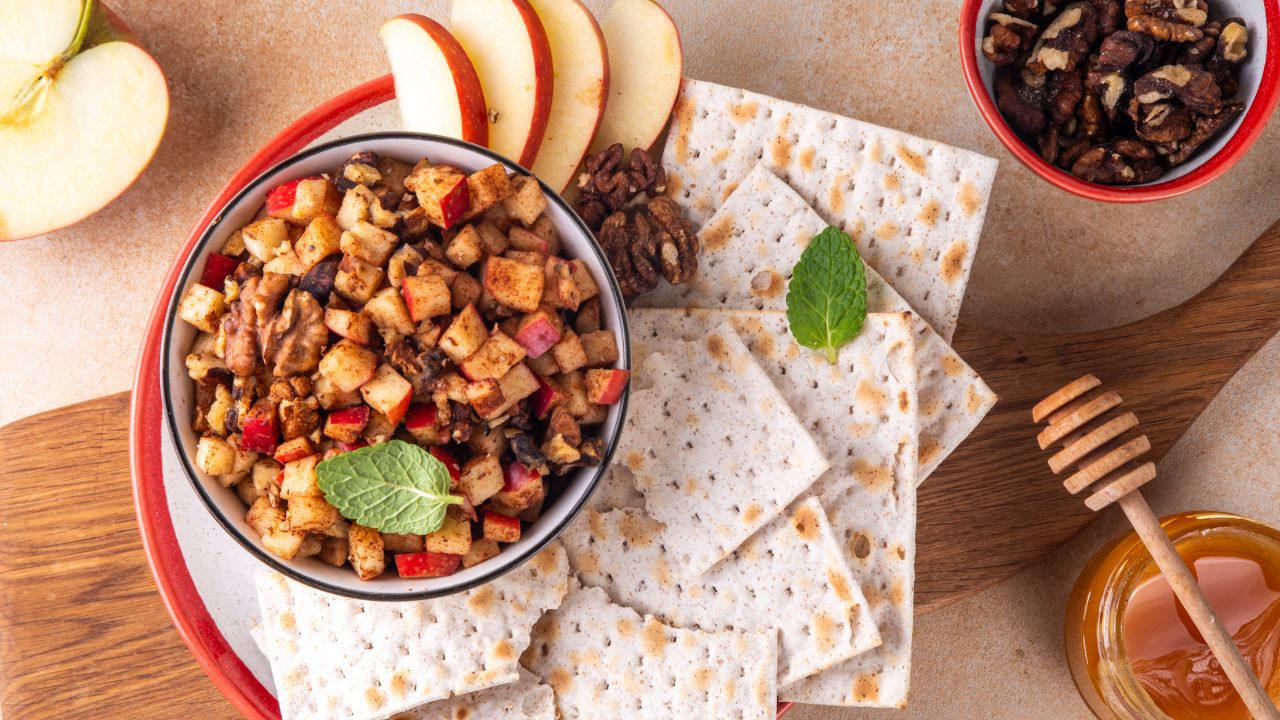
This yummy mix gives a nice contrast to the bitter maror. Made with ingredients like apples, nuts, wine, and honey, charoset stands for the mortar that Jewish slaves used to build for their Egyptian masters.
Different Jewish communities have their own charoset recipes: some families go for apples and walnuts, while Sephardic traditions might add dates, figs, or other local goodies. Despite its serious meaning, charoset often becomes a favorite on the Seder plate, especially among children who love its sweetness.
Hallel (huh-LEL)
These songs of praise and gratitude add joy and festivity to the Seder. Hallel is made up of various psalms that are usually sung or chanted during Jewish holidays. During Passover, you can expect to hear them near the end of the meal.
Seder (SAY-der)
The Seder is the special meal and ceremony that kicks off Passover, usually held on the first night (or first two nights outside of Israel).
The word literally means “order,” which makes sense because the entire evening follows a specific sequence of fifteen steps, from initial blessings through the final songs.
Family members and guests share symbolic foods, taking turns reading from the Haggadah and following rituals that have been practiced for thousands of years.
Exodus (ek–suh-duhs)
The Exodus tells the foundational story that Passover commemorates: the dramatic escape of the Israelites from centuries of slavery in Egypt. The story includes the ten plagues that convinced Pharaoh to release the enslaved people, Moses’ leadership, and the miraculous parting of the Red Sea.
Haroseth (huh-ROH-seth)
Different traditions spell it in various ways, but it’s the same symbolic and tasty dish. Its presence on the plate balances the bitterness of maror, reminding everyone that sweetness can exist alongside hardship.
Elijah’s Cup
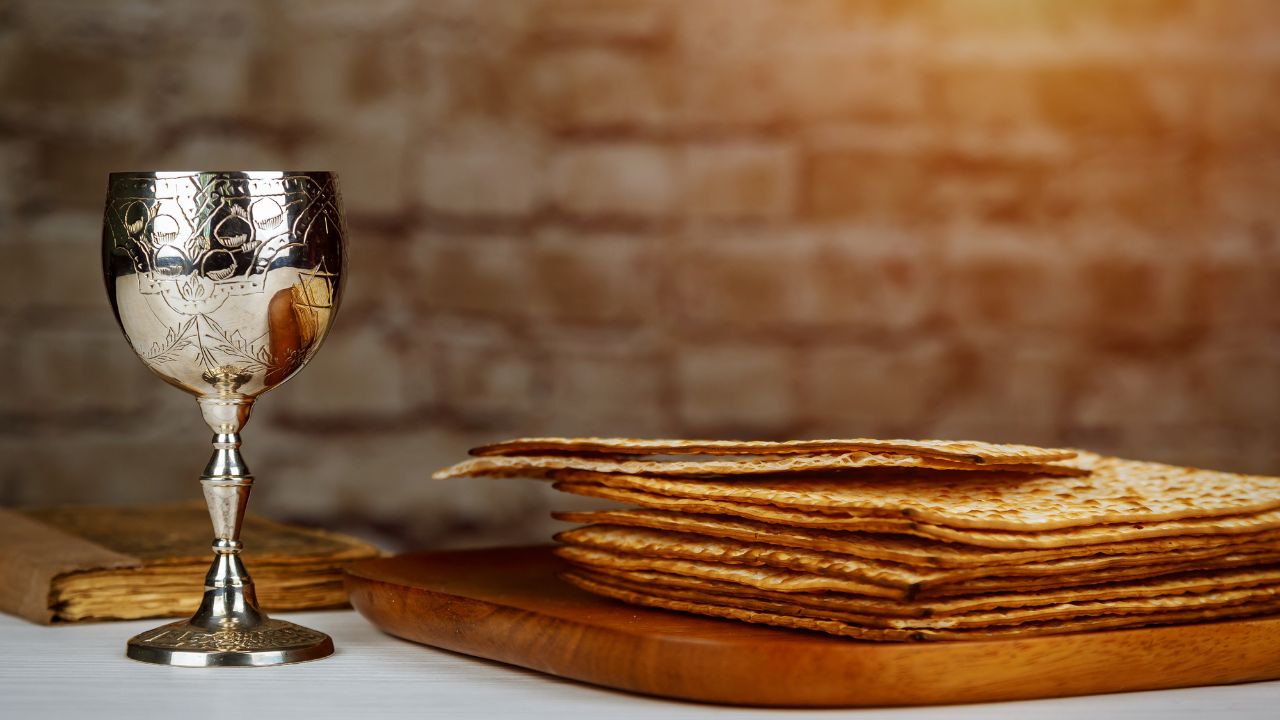
This special cup is a significant part of every Seder table, filled with wine but never sipped by anyone. It stands ready for the prophet Elijah, who, as tradition holds, will return to declare the coming of the Messiah. At a specific time during the Seder, families often open their front door to invite Elijah in symbolically.
Ma Nishtanah Halailah Hazeh (MAH nishtanah, ha-laylah ha-zeh)
These Hebrew words begin the famous “Four Questions” that are traditionally asked by the youngest child capable of reading them. The phrase means “Why is this night different from all other nights?” and launches into four specific questions about the unusual customs of the Seder (eating matzah instead of bread, dipping vegetables twice, eating bitter herbs, and reclining while eating).
Chagigah (ha-GEE-guh)
This is the festival offering that was brought to the Temple in Jerusalem during Passover in biblical times. While the Temple no longer stands, the concept of chagigah reminds everyone of the historical religious significance of Passover, extending beyond its celebration.
Birkat Hamazon (beer-KAHT hah-mah-ZONE)
After a long time spent on rituals and sharing stories, Birkat Hamazon takes us back to the basics: being grateful for the food we have. Some families speed through these last prayers, while others turn them into a big celebration.