You didn’t just play with toys; you lived entire adventures with them. And the best ones? They didn’t just pass the time; they stuck with you, even when you are an adult now. But have you ever wondered where they came from or how they got those names burned into our brains? Let’s rip open the toy box and find out.
Related:
- Dog Idioms and Phrases to Get You in the Puppy Bowl Spirit
- Verbs That Start With N
- What Is Gorpcore and How Did It Go From Hiking Trails to Street Style?
Yo-Yos
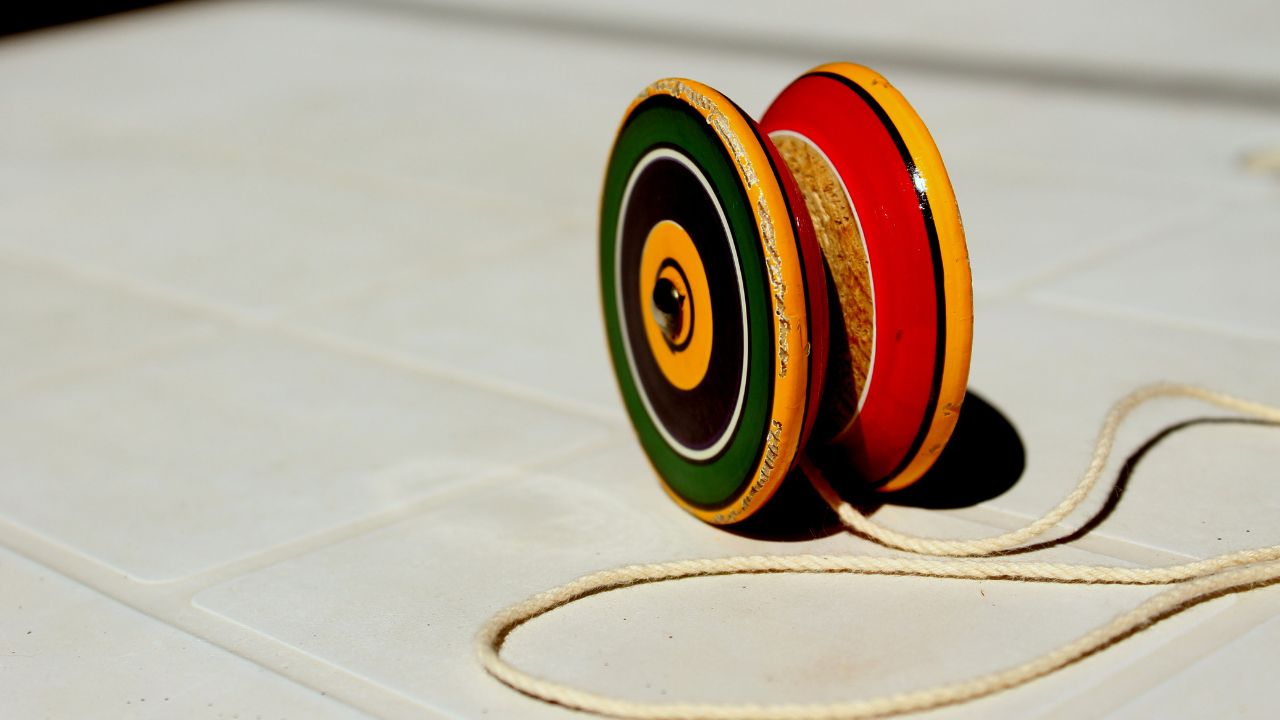
Believe it or not, there’s a Greek vase from 440 B.C. that shows a kid playing with a stringed disc. However, the modern yo-yo as we know it gained popularity in 1928 when Pedro Flores, a Filipino immigrant, began manufacturing wooden models in California. A year later, he sold his company to Donald F. Duncan, who turned the toy into a global phenomenon. Today, yo-yos are still sold everywhere—from hobby shops to world championship stages.
Silly Putty
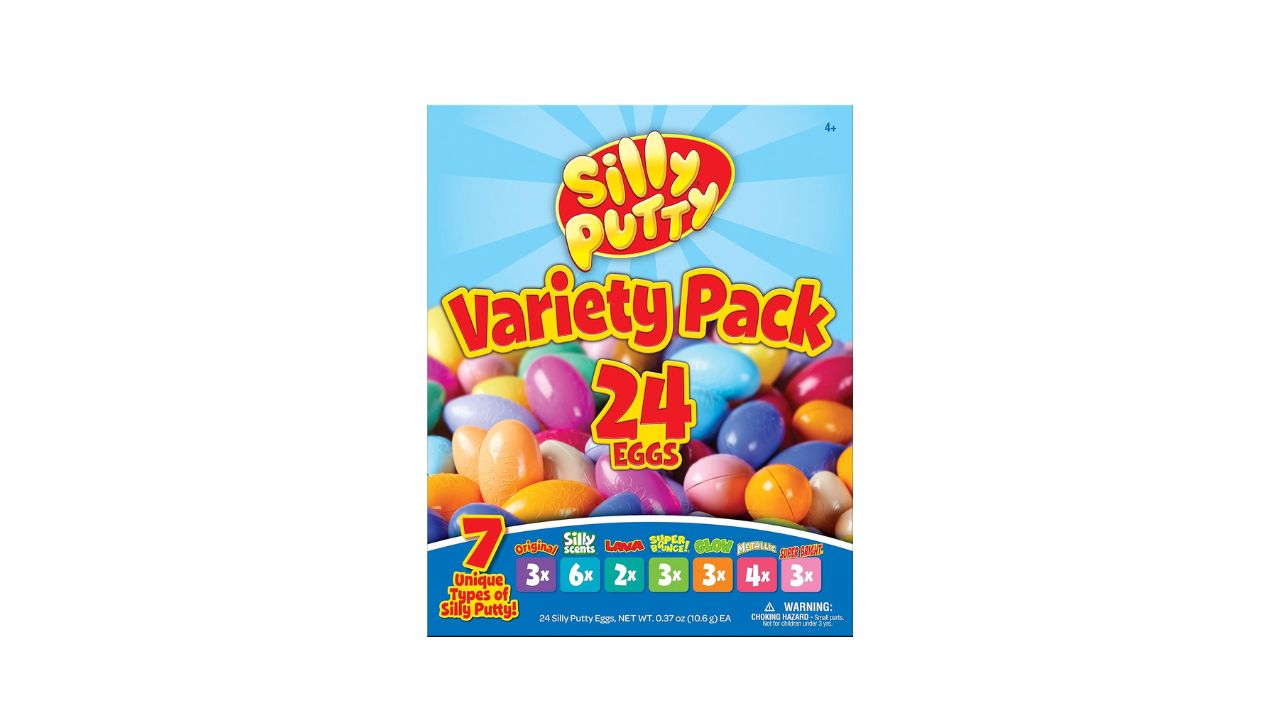
Silly Putty was a scientific accident. During World War II, a rubber shortage led chemists to attempt to create a substitute, but they ultimately developed a bouncy, stretchy substance. In 1949, Ruth Fallgatter saw its potential as a novelty toy and started selling it in a plastic egg. It became an instant hit.
Can you still buy one? Absolutely! It is now owned by Crayola, but it still comes in the classic egg packaging.
Fun fact: You can press it on newspaper print and lift the ink off the page.
Teddy Bear
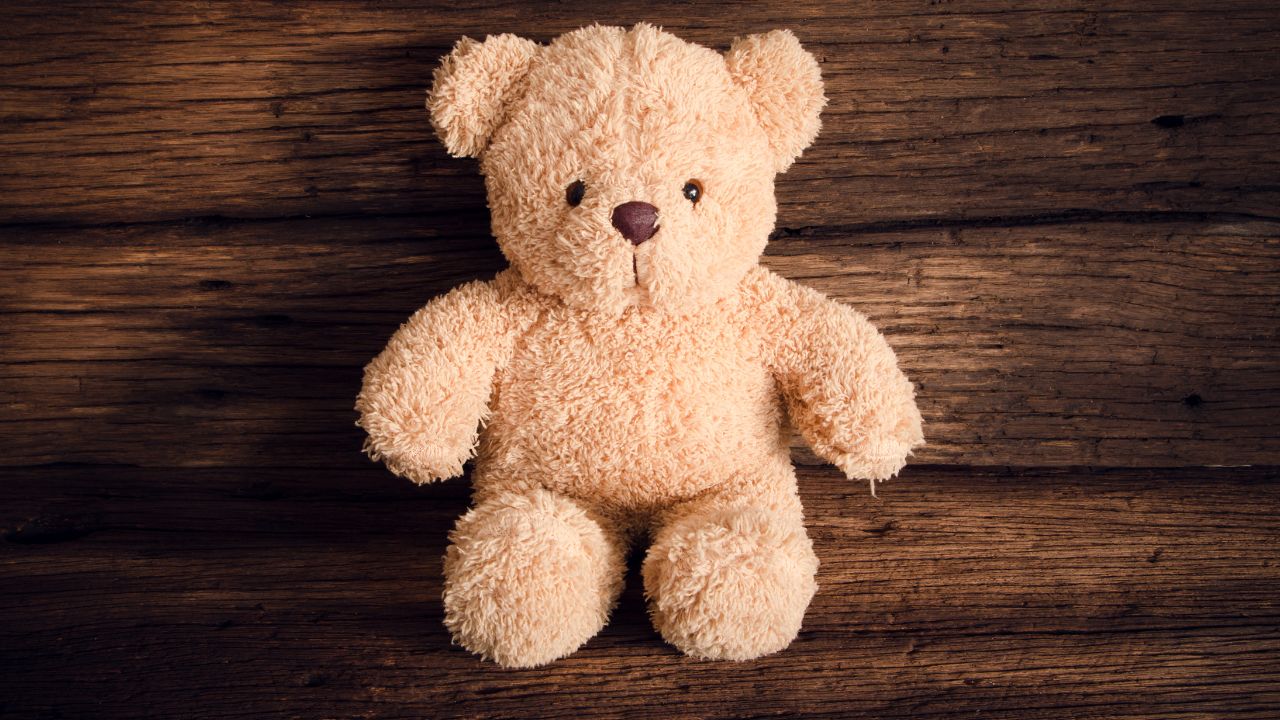
The lovely Teddy Bear was born from a hunting story in 1902, when President Theodore Roosevelt refused to shoot a tethered bear. Inspired by a cartoon, Morris Michtom created a plush bear and asked Roosevelt if he could use his name. The rest is cuddly history.
Fun fact: The name “Teddy” was such a hit that it actually helped fuel the toy’s sales.
Frisbee
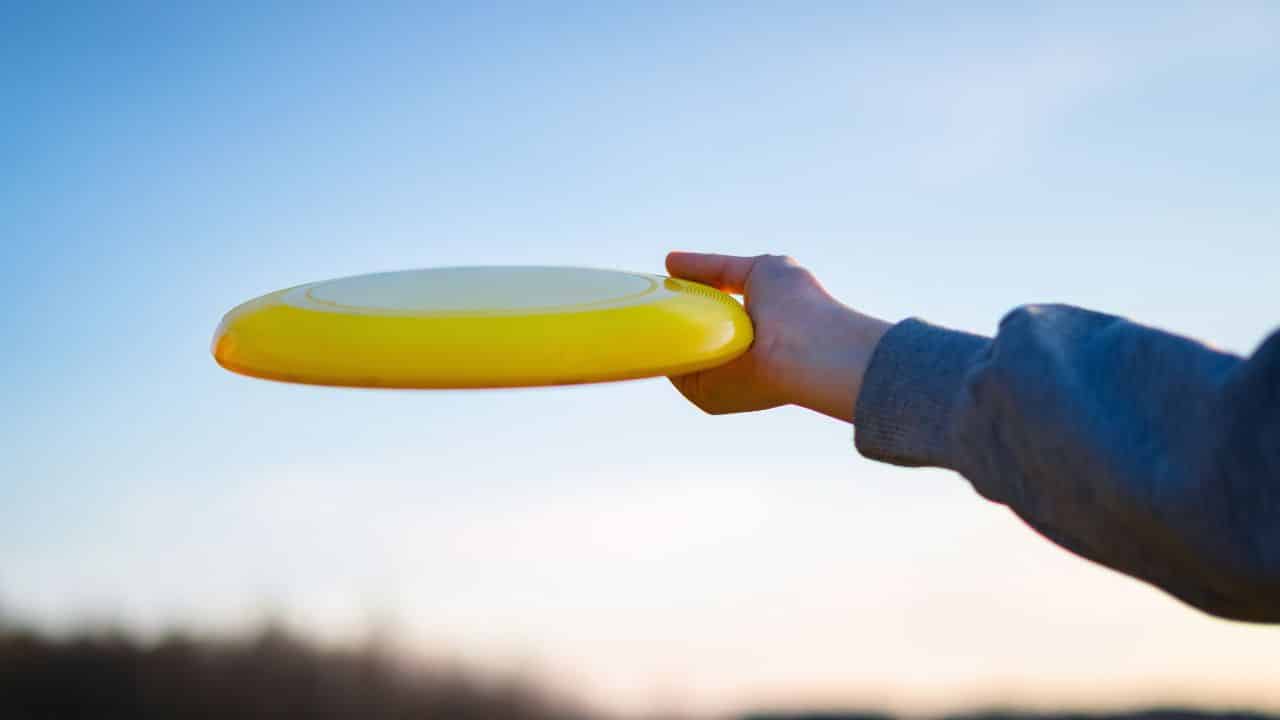
In the early 20th century, students at Yale would toss pie tins from the Frisbie Baking Company, yelling “Frisbie!” to avoid hitting anyone. Inspired by this, Walter Morrison developed a plastic flying disc. He later sold the rights to Wham-O, who renamed it “Frisbee.”
Fun fact: The sport of Ultimate Frisbee is now played in over 80 countries.
Barbie
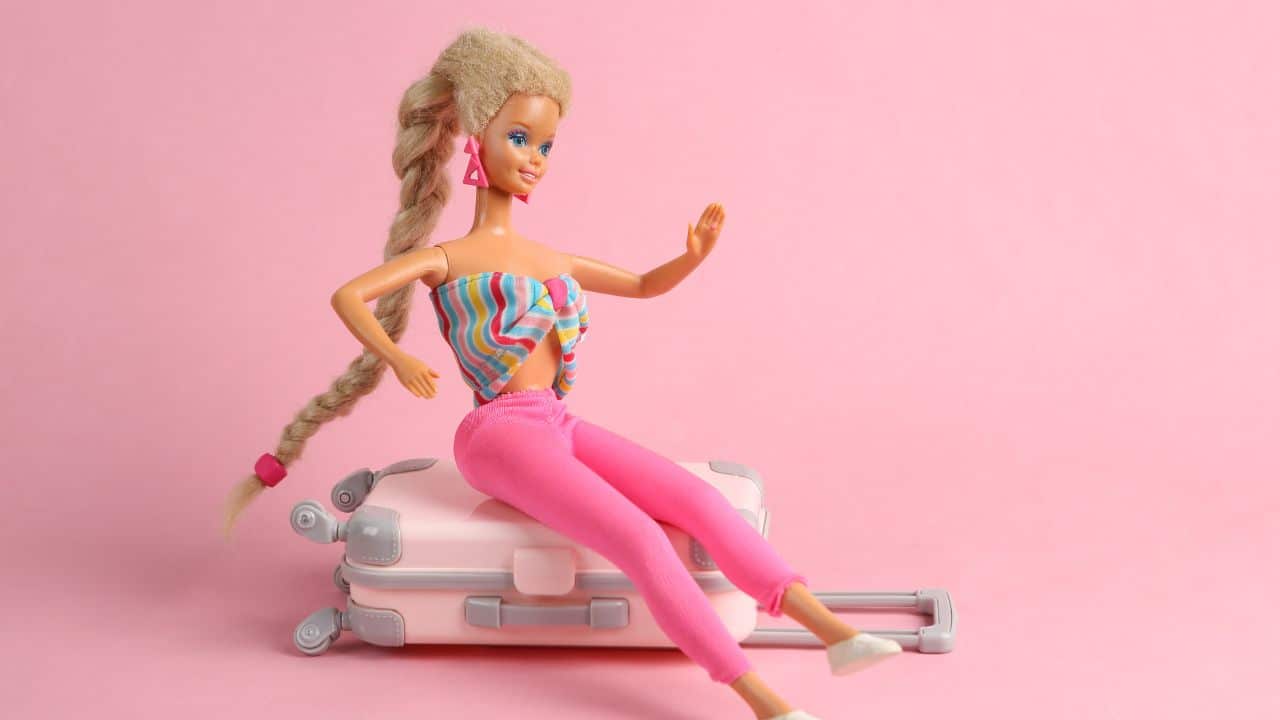
In 1959, Ruth Handler designed a grown-up fashion doll named after her daughter, Barbara. Barbie made her big debut at the New York Toy Fair and changed the toy industry forever. With over 150 careers and an infinite wardrobe of choices, she has become one of the most iconic toys of all time. And yes, you can still buy a Barbie.
Fun fact: The Barbie movie was the highest-grossing film in 2023.
Slinky
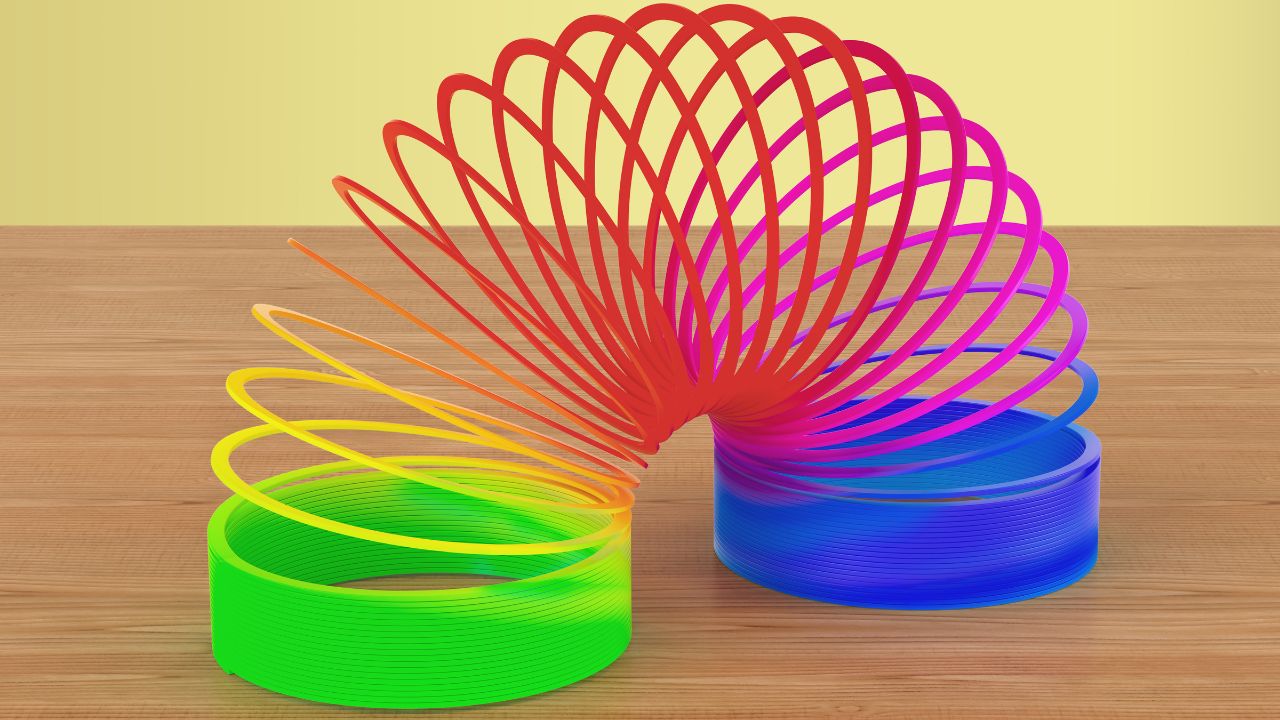
Slinky is one of the most iconic toys of all time, having sold more than 300 million units. So, what’s the story behind it?
Well, during World War II, Navy engineer Richard T. James was working with tension springs when one fell and kept moving on its own. His wife, Betty, saw the commercial potential, and the pair founded James Industries in 1945. The toy was named “Slinky,” which means sleek and graceful.
Fun fact: Slinkies have even been used in NASA zero-gravity experiments.
Trampoline
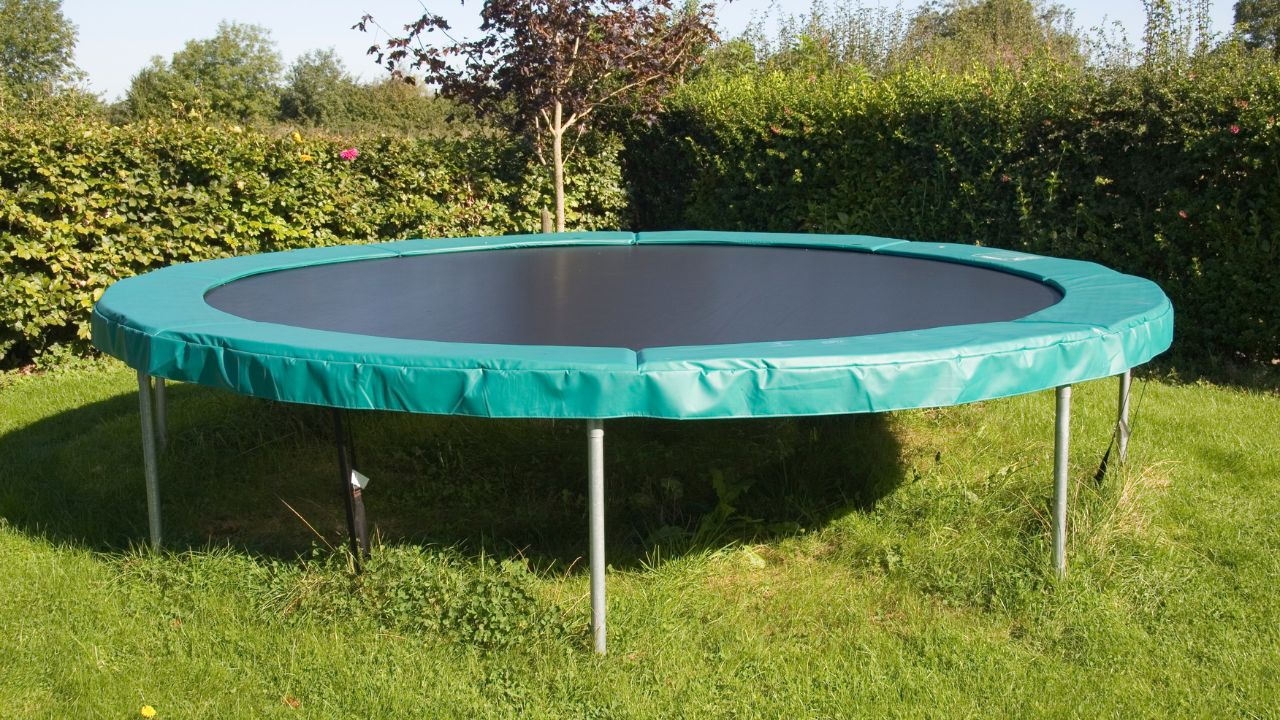
This one bounces back with a cool origin. George Nissen built the first trampoline in the 1930s, then patented it in 1945. The name? He took it from the Spanish word trampolín, which means diving board.
Fun fact: Nissen once bounced on a trampoline on top of the pyramids in Egypt to promote his invention.
Chess

Chess has been around since at least the 6th century, evolving from an Indian game called chaturanga. But its name? That came through Persian, Arabic, Spanish, and Old French—a centuries-long language relay race that eventually gave us “check” and “chess.”
And, yes, it is still sold and played. As a matter of fact, it never left. And it exploded again after The Queen’s Gambit.
Fun fact: In 1997, a computer beat a world chess champion.
Domino
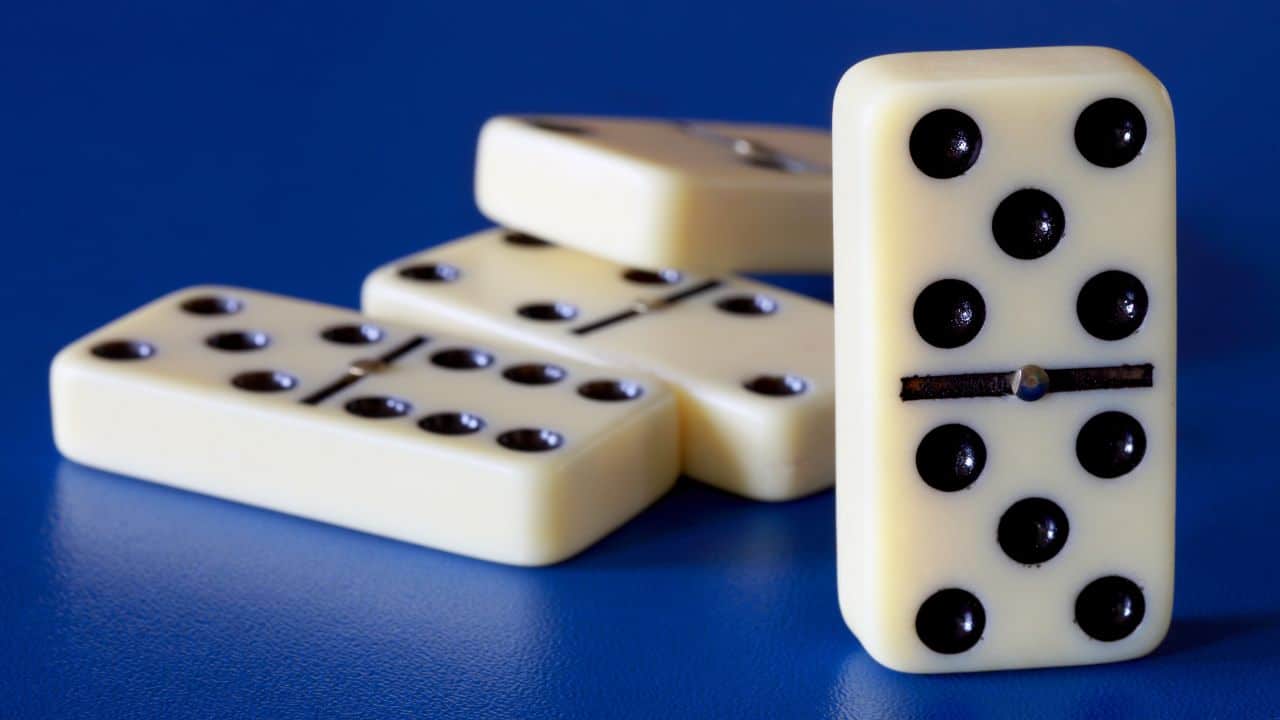
The domino game we know today originated in China around the 12th century, but the European version emerged in the 1700s. Believe it or not, there’s a World Championship Domino Tournament.
Jack-in-the-box
The jack-in-the-box dates back to 16th-century Europe, originally designed as a wooden box with a crank that would surprise you with a figure on a spring. One legend says it was inspired by Sir John Schorne, who supposedly trapped the devil in a boot.
Fun fact: Early jack-in-the-boxes were used to depict devils popping out.
Lego
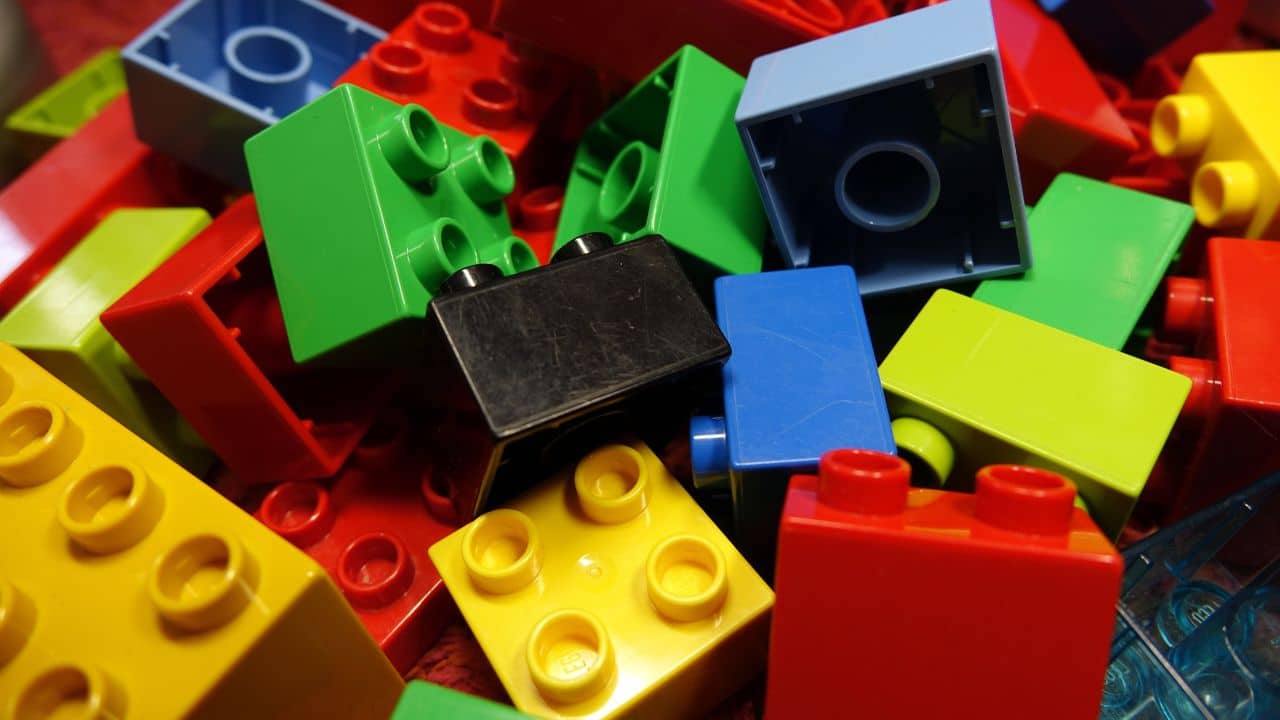
In 1949, Danish carpenter Ole Kirk Christiansen developed an interlocking plastic brick system under the brand LEGO, derived from the Danish phrase “leg godt,” which means “play well.”
Since then, LEGO has exploded into a global empire with theme parks, movies, and more.
Fun fact: You can stack about 375,000 bricks before the bottom one cracks.
Rubik’s Cube
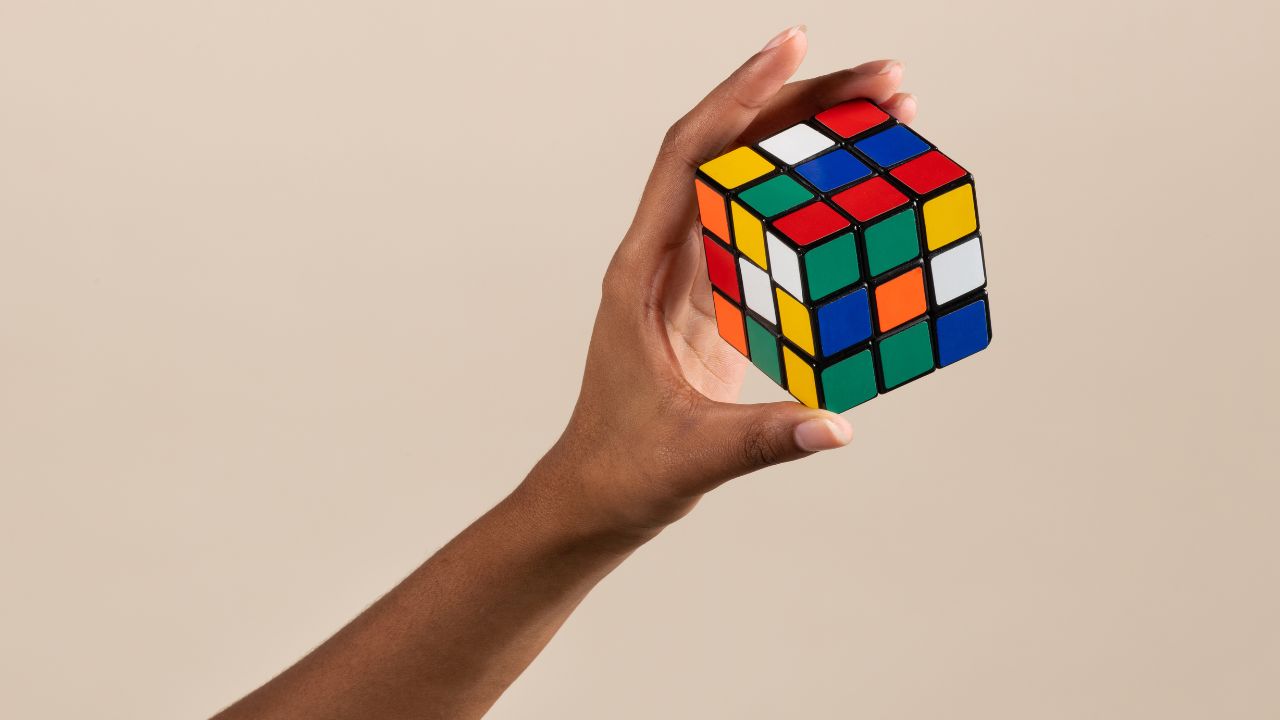
Hungarian professor Ernő Rubik invented the Rubik’s Cube in 1974 as a tool to help explain 3D geometry. Once it hit the U.S. in the early 1980s, it became a pop culture phenomenon and brain-busting obsession.
Fun fact: The current world record for solving the Rubik’s Cube is 3.13 seconds.
Cabbage Patch Kids
In 1978, Georgia artist Xavier Roberts created hand-sewn dolls with soft bodies and unique faces. Originally called Little People, they became the Cabbage Patch Kids and caused retail chaos in the 1980s.
Fun fact: They were so popular, parents camped overnight and fought in stores to get one.
Hot Wheels
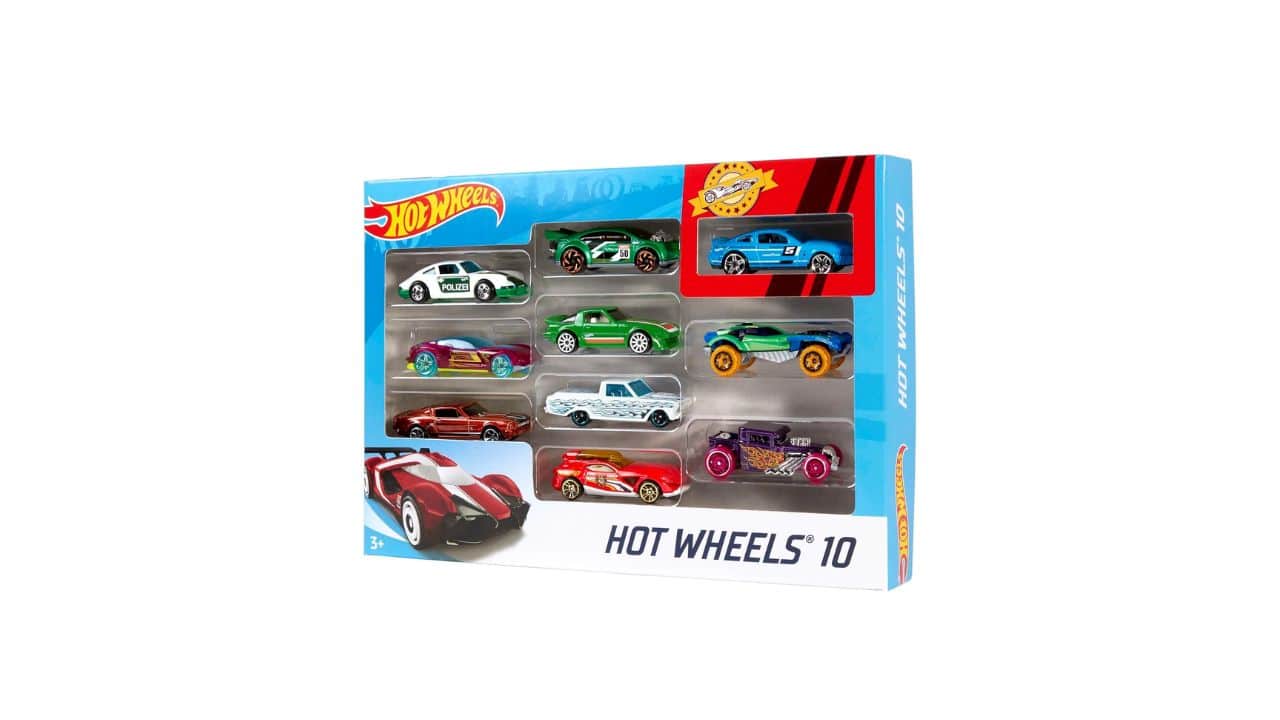
In 1968, Elliot Handler, co-founder of Mattel, launched Hot Wheels with sleek, fast-rolling die-cast cars that looked way cooler than the competition. They were inspired by real hot rods and muscle cars.
Fun fact: Hot Wheels was so successful that it contributed to the decline of its biggest competitor, Matchbox. Eventually, Mattel bought Tyco Toys in 1997.
Atari 2600
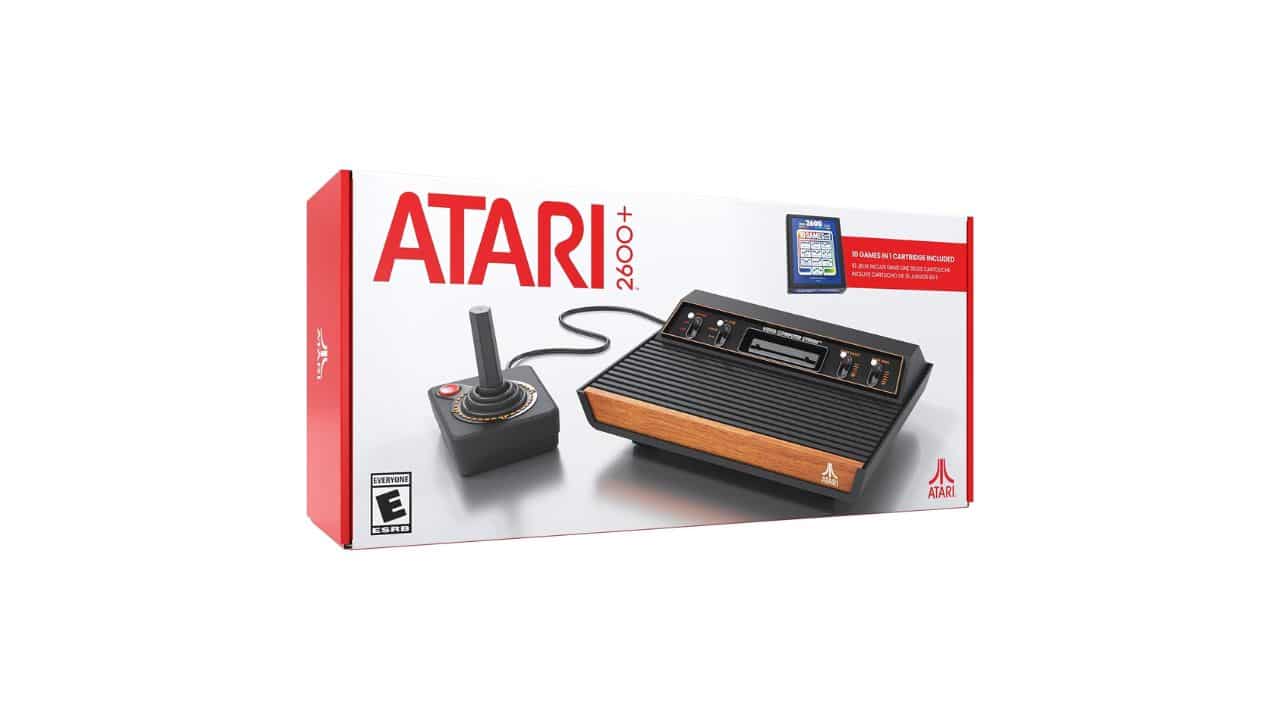
Launched in 1977, the Atari 2600 wasn’t the first home video game console, but it was the one that made gaming mainstream. It had interchangeable cartridges, which changed everything. The original Atari 2600 is now a collector’s item, but you can get the Atari 2600+.
Fun fact: Atari is a term from the Japanese game Go, meaning “you’re about to be captured.”
Etch a Sketch
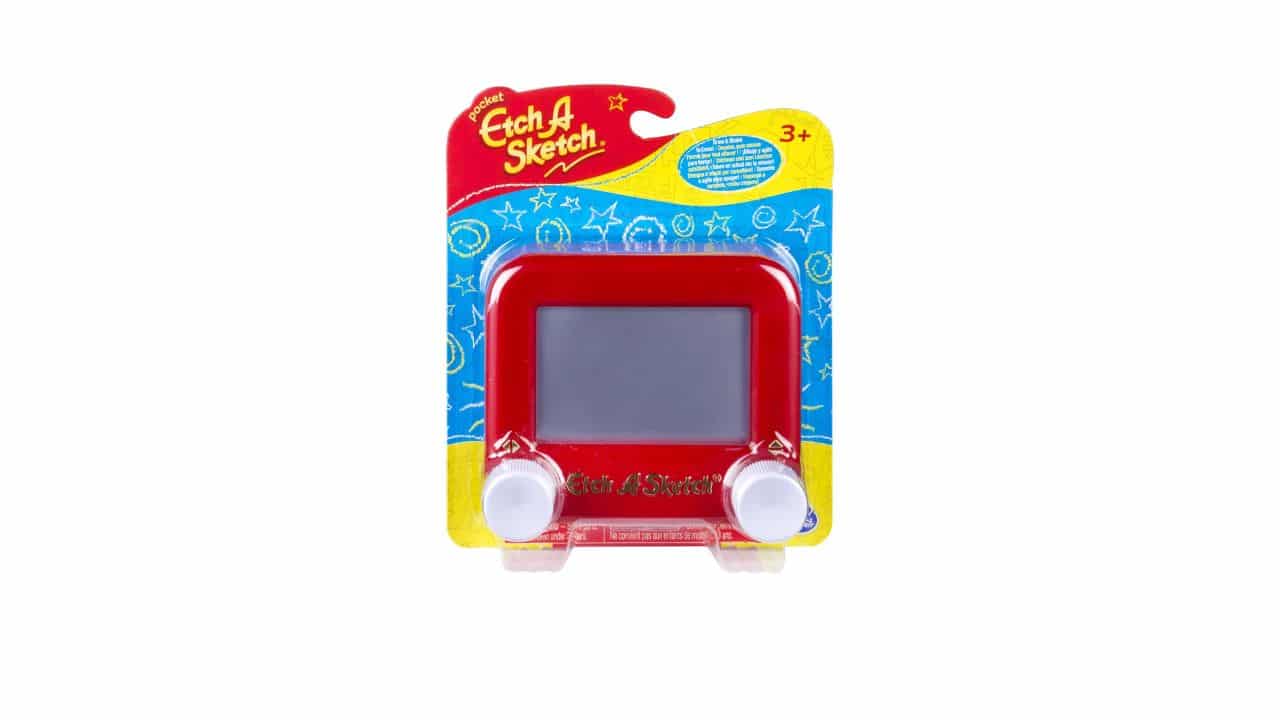
Invented by French electrician André Cassagnes in the late 1950s, the Etch A Sketch was a revolutionary drawing toy. It used aluminium powder and a stylus mechanism to “draw” on the screen, and, of course, it erased with a shake.
Fun fact: More than 175 million Etch A Sketches have been sold worldwide.
Play-Doh
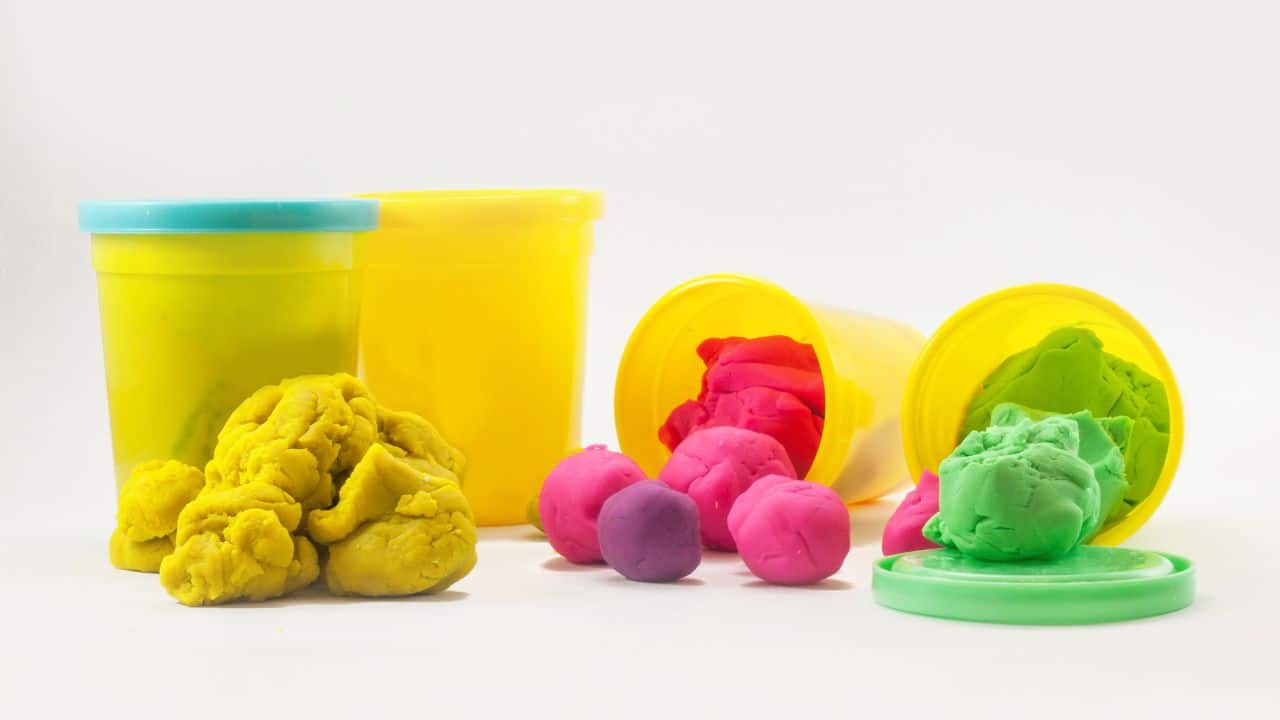
Did you know that Play-Doh was initially created as a wallpaper cleaner in the 1930s? Play-Doh found new life in the 1950s when schools began using it as a modeling compound for children.
You can still buy Play-Doh. It is now made by Hasbro, and you can get them in dozens of colors.
Fun fact: More than 3 billion cans of Play-Doh have been sold.