You’ve probably heard of Kwanzaa during the holiday season. However, lots of people still scratch their heads about what it’s really all about. So, it’s time to set the record straight and see what makes Kwanzaa meaningful for millions of families.
Related:
What Is Kwanzaa?
Kwanzaa is essentially a week-long celebration of African-American culture, family, and community.
In 1966, Dr. Maulana Karenga conceived the idea amid the Civil Rights Movement. He believed African Americans needed their own cultural celebration that would reconnect them to their African roots.
It starts December 26th and goes until January 1st, with each day highlighting one of seven main ideas (more on this later!).
Fun Fact: The name “Kwanzaa” comes from this Swahili phrase “matunda ya kwanza,” which just means “first fruits.” That’s a shout-out to those old African harvest festivals that gave him the idea in the first place.
Who Can Celebrate Kwanzaa?
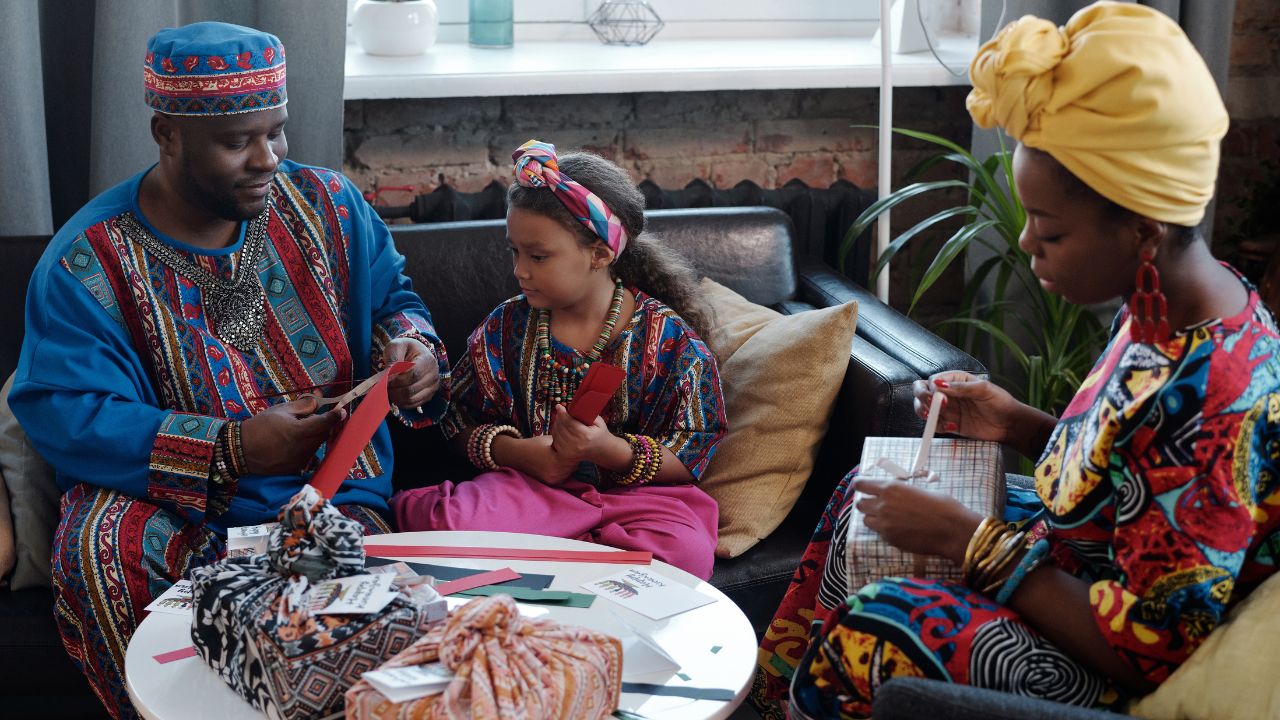
Dr. Karenga made Kwanzaa specifically for African Americans in response to the Watts riots and as part of the Black Power movement. It’s not tied to any particular religion, so families from diverse faith backgrounds can participate in it.
How Do You Celebrate Kwanzaa?
Kwanzaa is primarily about spending time with family, sharing stories, and discussing those seven principles. Every night, families light a candle on this thing called a kinara (basically a fancy candleholder) and chat about that day’s principle. They’ll usually discuss how to apply it in their everyday lives.
Decorations and Gift Giving
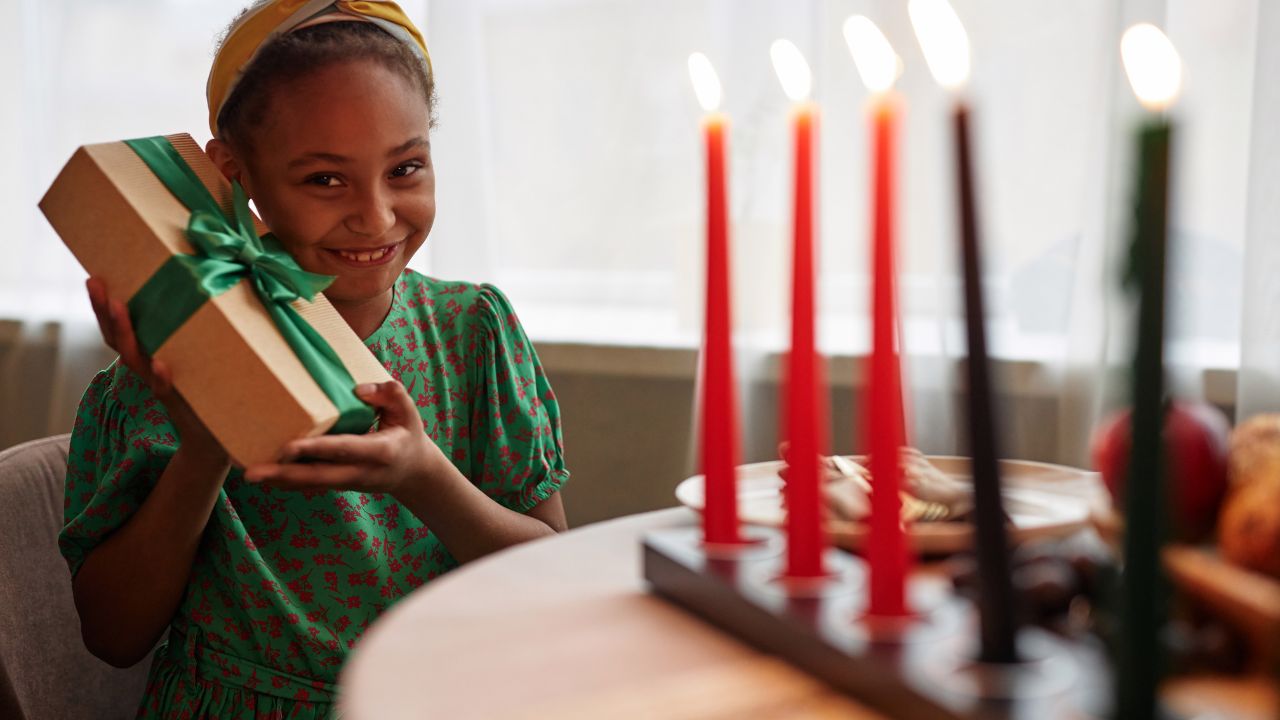
Many families decorate their homes with Kwanzaa’s colors: red, black, and green. Red represents the struggles people have endured, black symbolizes the individuals themselves, and green symbolizes hope and what is to come. You’ll spot these same colors on a bunch of African flags, too.
The gift-giving can happen throughout the time. People often focus on handmade items, books, or anything that helps you learn about culture and history.
Food
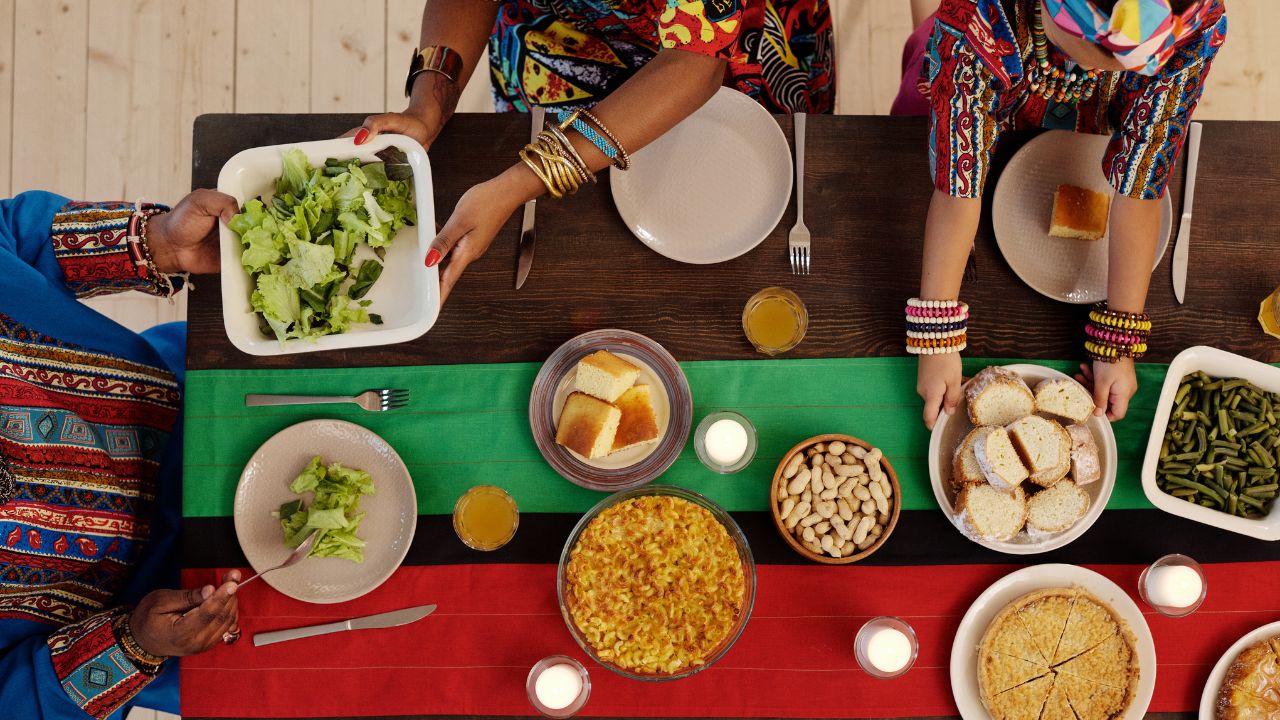
The food situation is also an essential element. Families cook up traditional African and African-American dishes, and tons of them throw this massive feast called “Karamu” on December 31st. Think of one giant family dinner where everyone gathers to swap stories, play music, and celebrate their heritage.
What Do the 7 Days of Kwanzaa Mean? What Are the Symbols of Kwanzaa?
Every single day of Kwanzaa focuses on one of these seven principles, which they call the Nguzo Saba. They’re designed to help people build stronger communities and lead better lives.
Day 1: Umoja (Unity)
Umoja is all about sticking together – in your family, your community, with other people of African descent everywhere. Families sit around and discuss ways they can actually back each other up and work as a team.
Day 2: Kujichagulia (Self-Determination)
This one’s about defining yourself and speaking up for yourself instead of letting other people write your story. It’s all about being independent and owning your choices.
Day 3: Ujima (Collective Work and Responsibility)
Ujima is about everyone pitching in to build and maintain strong communities. It’s essentially saying that everyone has a role to play in making their neighborhood and society better.
Day 4: Ujamaa (Cooperative Economics)
This principle encourages people to support Black-owned businesses and build economic power in their local communities. Families discuss spending their money in ways that genuinely benefit their community grow instead of just making rich people richer.
Day 5: Nia (Purpose)
Nia inspires people to think about what they’re truly here for and work toward principles that benefit their community and those who come after them.
Day 6: Kuumba (Creativity)
Kuumba is all about being creative and generating fresh ideas. Families might share poems they’ve written, songs they’ve been working on, art projects, or whatever creative work they’ve been doing.
Day 7: Imani (Faith)
The last principle is about keeping faith – in your family, your community, your leaders, and believing that fighting for what’s right is worth it.
What Do the Candles Represent in Kwanzaa? What Is the Significance of the Candles?
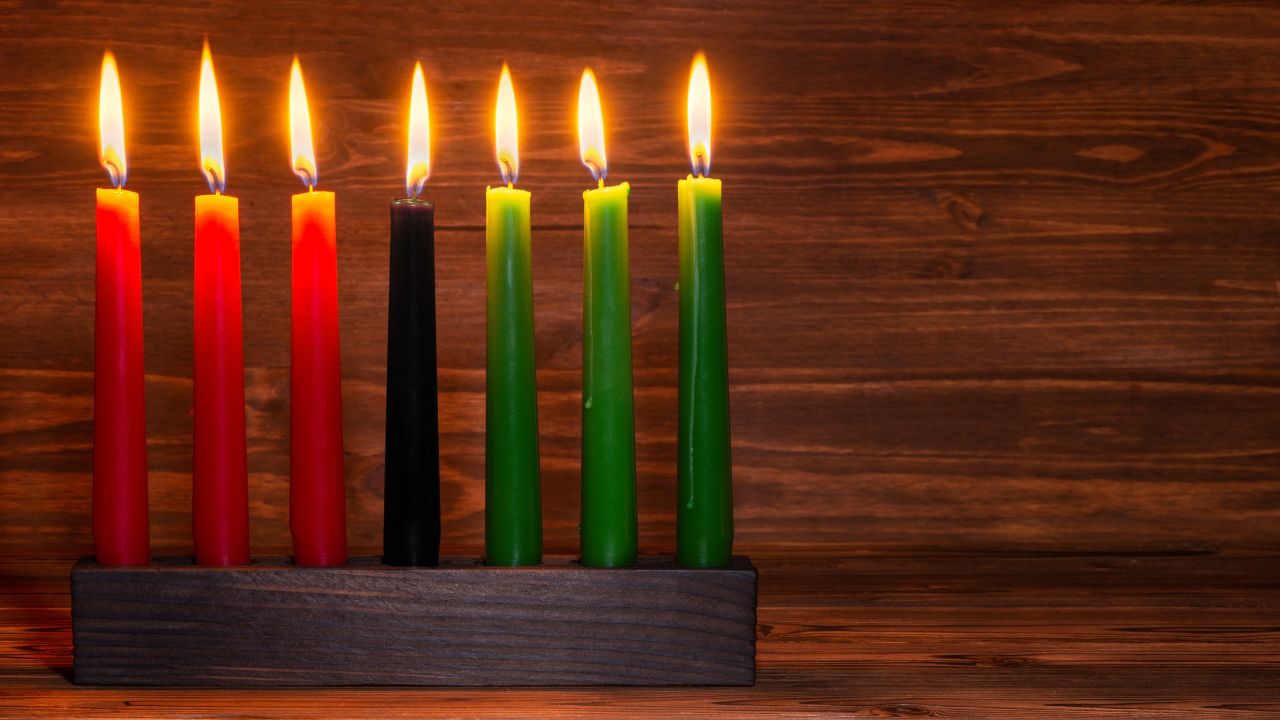
The kinara holds seven candles, representing the seven principles, but the colors and their placement tell a larger story.
- Three red candles go on the left side, representing all the struggles and sacrifices ancestors and people today have made.
- One black candle sits right in the middle, representing African people and how they stick together.
- Three green candles fill up the right side, representing hope, the future, and good things coming from all that struggle
Families light one candle each night, starting with that black middle candle on night one. Then they go back and forth between red and green candles for the rest of the week.
Are Kwanzaa and Hanukkah the Same Thing?
Nope, not even close. Kwanzaa and Hanukkah are distinct holidays with unique backstories, purposes, and traditions of celebration. The only thing they really share is that they both occur around the same time of year and involve using candles over multiple days. Even their candle traditions are different. Hanukkah uses this nine-branched menorah called a hanukkiah, while Kwanzaa uses the seven-branched kinara.
Hanukkah is an ancient Jewish religious holiday, dating back over 2,000 years. It’s all about the rededication of the Second Temple in Jerusalem, and the miracle where oil burned for eight days when there was only enough for one day.
Kwanzaa is way newer – Dr. Karenga invented it in 1966 – and it’s cultural, not religious. It doesn’t commemorate a historic event. Instead, it focuses on principles for building stronger communities and preserving cultural identity.
Final Thoughts
And there you have it! Kwanzaa provides families with an opportunity to connect with African American culture and values during the holidays.