New Year’s traditions are fascinating because they say so much about people’s hopes, beliefs, and cultural quirks. Some are meant to bring luck, others to chase away evil spirits, and many just bring folks together for a good time. Let’s take a look at some of the most popular (and some unusual) traditions from around the world.
Related:
- 80+ New Year’s Words and Phrases
- Is New Year Capitalized?
- 100+ Words Related to January: Start the Year with New Words
1. Times Square Ball Drop
The Times Square Ball Drop started way back in 1907 when New York City banned fireworks as part of its New Year’s Eve celebrations.
Over the years, the ball has changed dramatically—first made of iron, then aluminum, then outfitted with thousands of Waterford crystal triangles and energy-efficient LED lights. Today’s version weighs nearly 12,000 pounds and can display millions of colors and patterns. The event itself has grown into a global broadcast watched by an estimated 1 billion people worldwide, making it one of the most iconic countdowns on the planet.
2. Fireworks
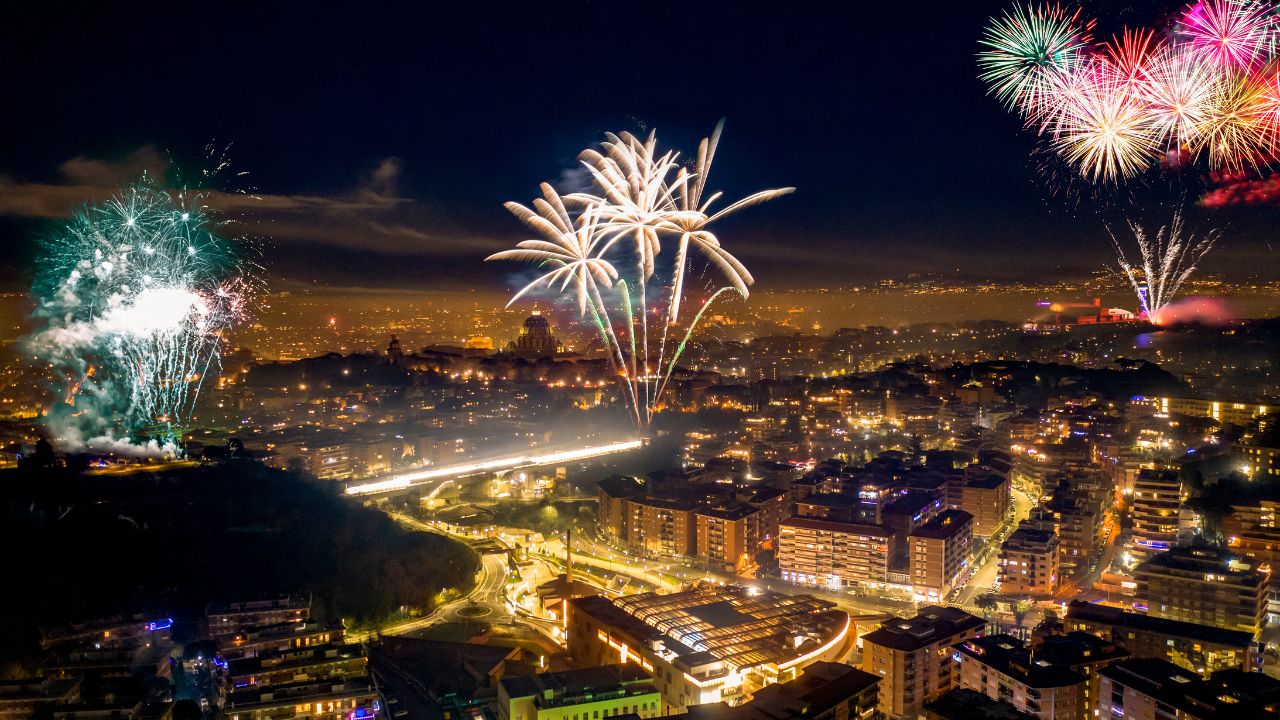
Fireworks have been part of New Year’s for centuries, and it all started in China, where gunpowder was invented.
People believed the loud sound and bright flashes scared off evil spirits, which, in return, made space for luck and happiness. Fast forward to today, and fireworks are less about superstition and more about putting on a show. Still, there’s something about hearing those first booms at midnight that feels like a clean break from the past year.
3. Sing Auld Lang Syne
Most people can’t get through the whole song, but “Auld Lang Syne” has become a New Year’s anthem anyway.
So, where did this New Year’s tradition come from? Well, the tune goes back to Scotland, with Robert Burns writing down the lyrics in the late 1700s. The phrase basically means “old times” or “days gone by.”
Singing it at midnight is a way of looking back with gratitude while stepping forward into something new.
4. New Year’s Kiss
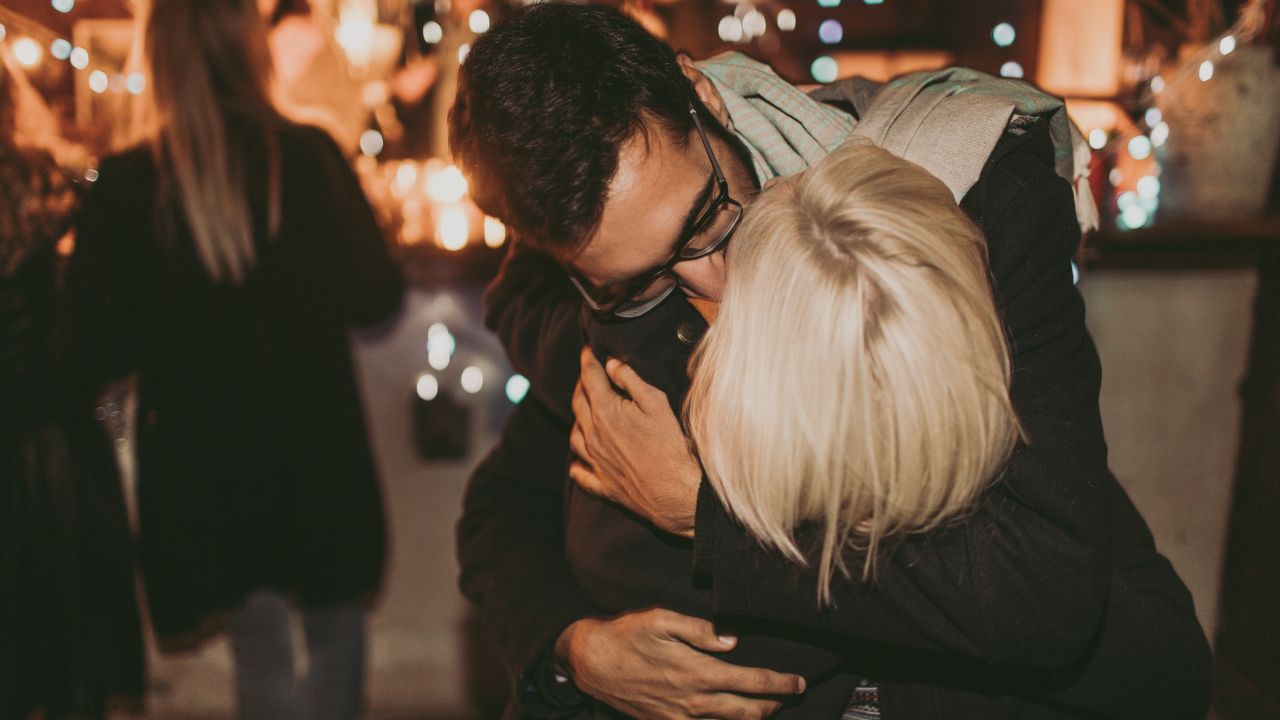
The midnight kiss has become almost as much a part of New Year’s Eve as the countdown itself.
The idea comes from old European folklore, where the first person you kissed in the new year was thought to influence your luck and relationships for the months ahead. Over time, it lost much of its superstition and stuck around as a fun, affectionate way to start the year.
5. Eating 12 Grapes

In Spain and parts of Latin America, the countdown isn’t complete without grapes—12 of them, one for every clock chime at midnight.
It began in the early 1900s, when grape growers encouraged the tradition during surplus season, and it has stuck. Each grape is supposed to bring luck for one month of the year. The tricky part is getting them all down in time without laughing (or choking).
6. Arranging and Eating 12 Round Fruits
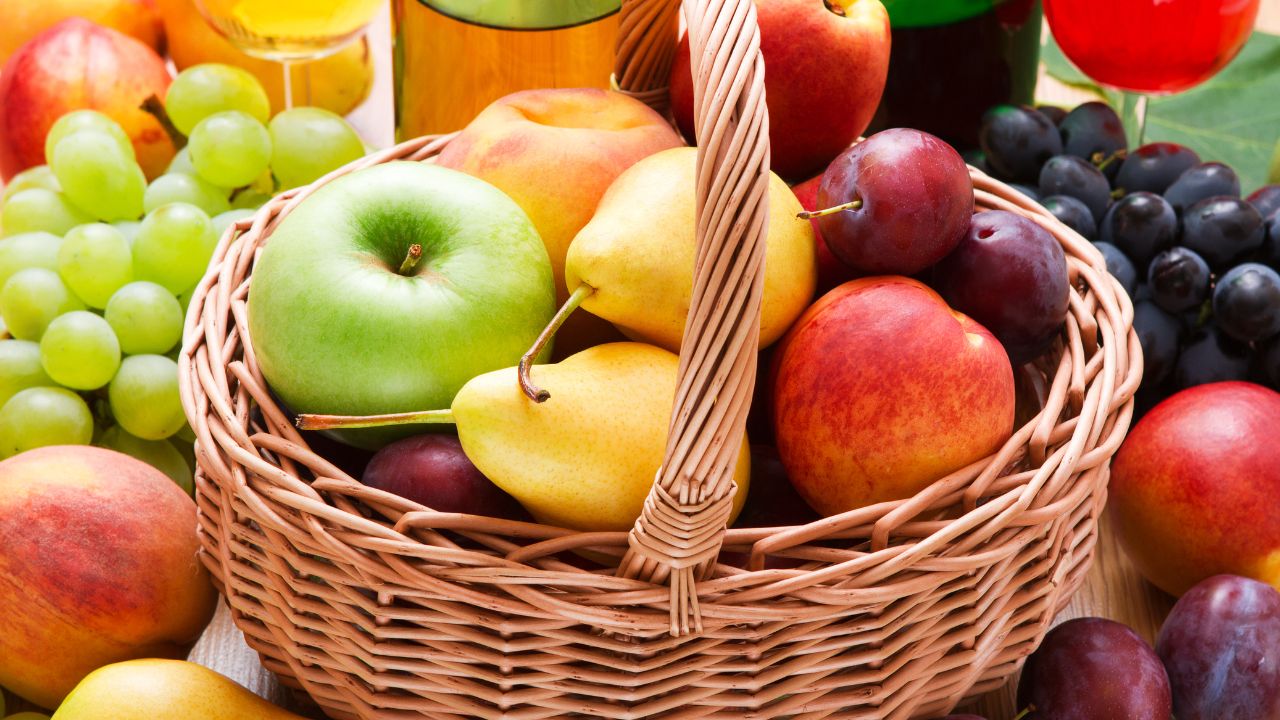
In the Philippines, tables are piled high with 12 different round fruits to welcome the year. Round shapes symbolize coins and wealth, and having 12 of them covers all 12 months.
Families often arrange them beautifully before eating, believing it sets the stage for abundance. Essentially, this New Year’s tradition is both a feast and a little ritual of prosperity.
7. Eating Black-Eyed Peas and Collard Greens
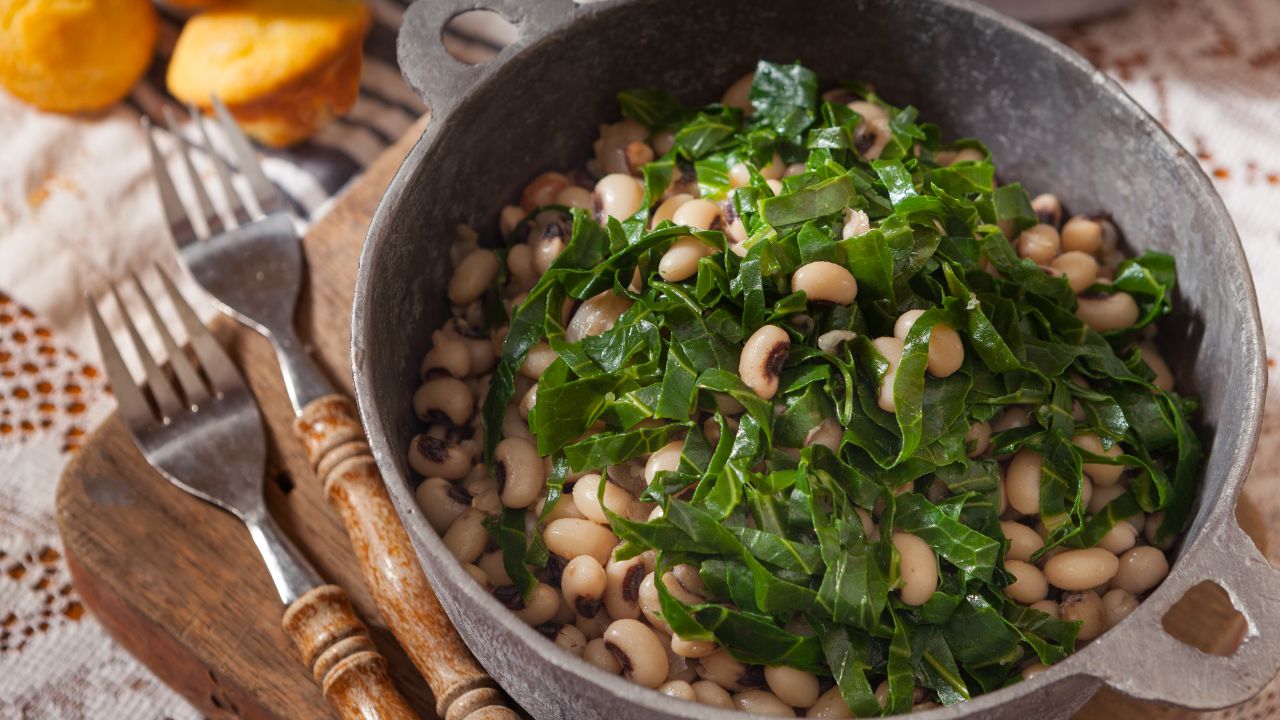
In the Southern U.S., New Year’s Day isn’t complete without black-eyed peas and collard greens. But why peas and collard greens? Well, that’s because peas represent luck, the greens stand for money, and together they’re supposed to bring prosperity.
So where did this tradition come from? It goes back to the Civil War, when black-eyed peas were left behind by Union soldiers and became a symbol of resilience. Today, they’re comfort food with a side of superstition.
8. Wearing Polka Dots
Also in the Philippines, it’s common to dress in polka dots on New Year’s Eve. Circles look like coins, so the pattern is thought to attract wealth and good fortune. It’s one of those traditions that mixes superstition with style—you get to look festive while inviting a little extra prosperity.
9. Tossing a Coin

In places like Romania, people toss coins into rivers or fountains on New Year’s Day. But why? Well, the act symbolizes letting go of the old year while inviting wealth into the new one. Some also keep coins in their pockets at midnight for luck.
10. Hogmanay
Scotland’s Hogmanay celebrations are just legendary.
Beyond fireworks and street parties, there’s “first-footing,” where the first visitor through your door after midnight is supposed to bring luck.
Traditionally, a tall, dark-haired man carrying gifts like coal, whisky, or shortbread was considered the best omen. The tradition has its roots in Viking solstice celebrations, and today it remains one of the most spirited ways to ring in the new year.
11. Jumping Seven Waves

In Brazil, people head to the beach at midnight to jump seven waves, each one tied to a wish for the year ahead. The tradition honors Yemanjá, the Afro-Brazilian goddess of the sea. Many also wear white as a symbol of peace and renewal.
12. Wearing Red Underwear
In Italy and parts of Latin America, red or pink underwear is the go-to outfit choice for New Year’s Eve. The color is linked to love, fertility, and good fortune.
The idea may date back to ancient Rome, where red symbolized life and health, while pink is a strong color associated with femininity. Now, it’s less about mythology and more about a playful way to invite romance or luck into the year.
13. Hanging and Smashing Pomegranates
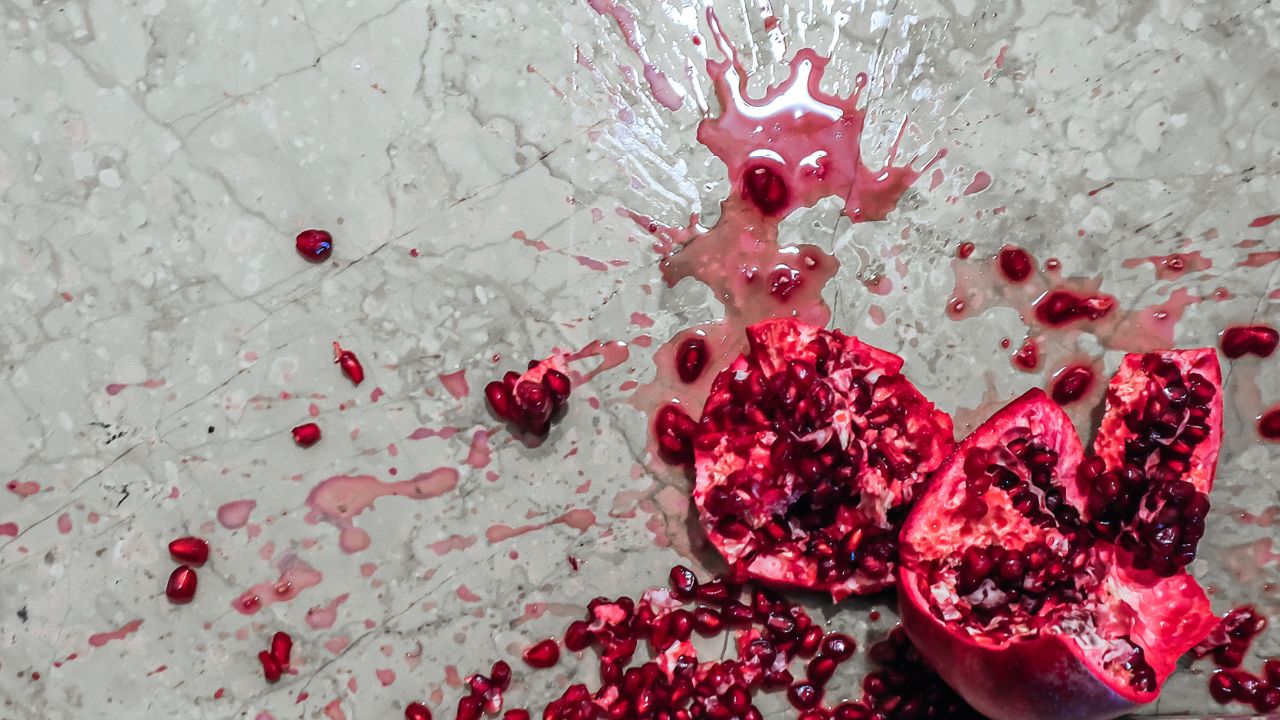
In Greece, pomegranates are smashed on New Year’s Day, usually against the front door. The more seeds that scatter, the more luck and abundance you’re supposed to have.
Pomegranates have long been tied to fertility and prosperity in Greek culture, so this messy tradition is all about inviting blessings into the home.
14. Breaking Dishes
In Denmark, people break dishes on their friends’ and neighbors’ doorsteps to celebrate the new year. The more broken pieces piled up at your door, the more friends you’re believed to have. It’s noisy, chaotic, and a little destructive. However, it’s also a way of showing affection and wishing loved ones a happy and fortunate year.
15. Eating Cornbread and Ham
In the Southern U.S., cornbread and ham often share the table with black-eyed peas and greens. Cornbread stands for gold, while ham represents moving forward (since pigs root forward when they eat). Together, the meal is a hearty symbol of prosperity and progress for the year ahead.
16. Carrying Empty Suitcases
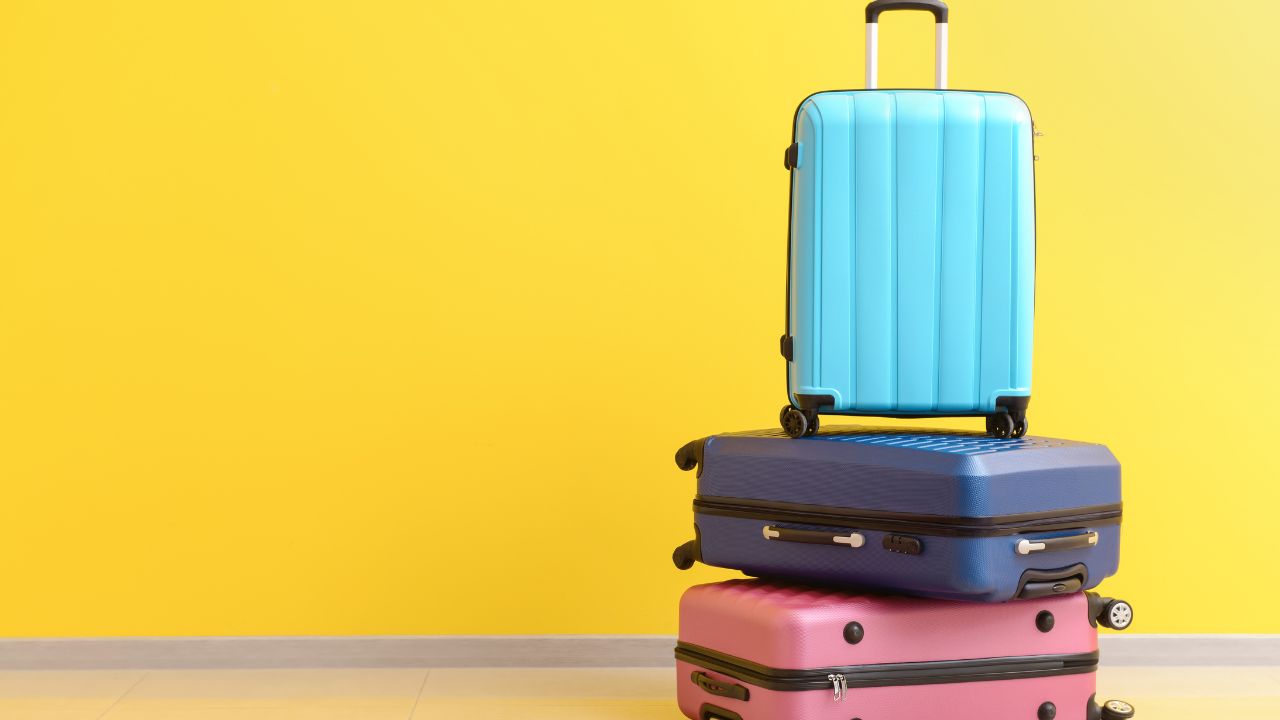
In Colombia, Ecuador, and Venezuela, as strange as this sounds, you might see people running around with empty suitcases at midnight. The tradition is meant to bring a year full of travel and adventure, so it can’t hurt to give it a shot. Some make a full lap around the block, while others keep a suitcase by the door. Either way, it’s a hopeful nod to journeys yet to come.
17. Popping Champagne Bottles
Few things say celebration like the pop of a champagne cork.
The tradition started in France, where champagne was tied to royalty and luxury. But by the 19th century, it became the drink of choice for parties and significant celebrations like New Year’s Eve.